

Customs Pre-Clearance Strategies to Shorten Transit Time
All shippers desire the same, cargo moving to the port and out of the port without delays. However, most of the times, customs clearance is the greatest delay in international trade. Containers idle and expenses explode when paperwork is not up to date, payments are not made on delivery, and dangerous cargo is not reported.
This is where the pre-clearance of customs makes the game different. To escape the congestion trap and ensure predictability in supply chains, exporters in India and the USA will be able to prepare approvals even before cargo is shown to be at the port. This is important particularly to chemical and liquid cargo shippers.
The Importance of Customs Pre-Clearance
Each day of holding a container in a terminal puts financial strain in demurrage, detention and storage fees particularly in high volume ports such as Mumbai, Nhava Sheva, Mundra, Houston and Los Angeles.
Pre-clearance assists the cargo to be quickly relieved in ship discharge and then getting to the inland transport and minimising the risks associated with congested gateways.
It improves planning, fast-tracks checks for restricted cargo, and ensures ocean freight forwarding services operate with fewer interruptions. The lesser the compliance surprises that the shippers are subjected to, the more certain they become about the transit time.
Full Documentation Prior to the Arrival of Cargo
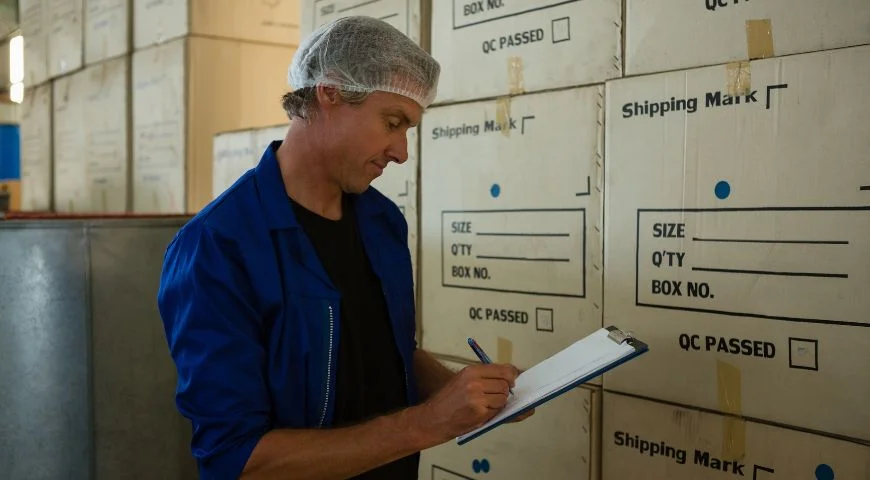
Pre-clearance is based on accurate paperwork. The customs authorities would like to receive commercial invoice, packing list, bill of lading, import permits, duty and tax, and all the required safety paperwork.
In the case of liquid chemicals, they should be in agreement with UN numbers, SDS and packaging records. The container will be detained in case something does not seem clear or consistent to the authorities.
When all is in early, hours of waiting are turned into fast gate clearance. Imagine it is like the difference between walking straight through the security and being pulled aside by a bag check.
Sync Labels, Approvals and Cargo Type
Many delays occur due to the fact that the labels on the hazards on the containers do not correspond to the digital declarations presented to customs. Any mismatch signals risk.
Shippers moving cargo in iso tank containers must ensure classification, packaging, and routing are fully approved in advance.
This will involve appropriate quantities, proper DG documentation, and reporting authorities in case a substance needs further handling limitations.
Good compliance is as safe as timing is good.
Local Knowledge and Leverage Port Partnerships
Ports are not standardized. Others anticipate pre-warning submissions. There are also others that have rigorous checking protocols on hazardous merchandise.
A local partner that understands port agency services can coordinate with customs officers, confirm berth schedules, and secure faster release of tank container movements.
When paperwork and relationships are in place prior to arrival, then clearance is no longer a gamble.
Take Advantage of Technology of the Real-Time Tracking and Decisions
The visibility tools provide the information required by the customs teams earlier. Tracking in real time will help you in submissions which are faster and you know when your documents are not available and help you to evade peak time which is congested.
Technology strengthens the reliability of sea freight services and gives you time to fix problems before the vessel reaches the port.
Trend in the Industry: Intolerance of Delays
As the amounts of exports are growing and ports are becoming crowded, regulators are pushing shippers to conform sooner.
Pre-clearance helps companies working with iso tank operators in India or tank container depots in India maintain stronger performance commitments for their customers.
It is not only about saving money anymore. It is all about gaining trust within world supply chains.
The Bottom Line
Among the most preventable logistic delays are customs delays. In the case of accurate documentation, uniform cargo labeling, tight port coordination and high-digital visibility, pre-clearance would be the simplest to avoid penalties and safeguard transit schedules.
It translates to quicker delivery, enhanced cash flow, less stress, and satisfied customers.
Keep Your Cargo Moving
FAK Cargo supports shippers with ocean freight forwarding services, air freight logistics, and on-ground port agency services for bulk liquid cargo.
Our experience serves to avoid delays by customers in customs before they can destroy your supply chain.Get more smart logistics content on Instagram, LinkedIn, and Facebook.
Related posts

Mastering the Complexities of Chemical Tanker Shipping with FAK Worldwide
In the global trade ecosystem, chemical tanker shipping stands out as one of the

How Exporters Can Build a Shock-Proof Logistics Plan for 2026
The planning of logistics is no longer about finding the quickest way at the low
Sustainability in Bulk Liquid Transport: FAK Worldwide’s Commitment to Environmental Responsibility
In an era where environmental impact has become a global concern, sustainability