

How Documentation Errors Cause More Delays Than Port Congestion
Port congestion is usually blamed when there are delays in exporting. Although the issue of congestion is indeed a challenge, recent shipping seasons records indicate that documentation errors are a major cause of shipment holds more than terminal holds regardless of the export shipment of chemicals and bulk liquids.
To the exporters in India and the USA, paperwork errors can be trivial, but they cause missed sailings, inspections, and ripple effects of operational interruption in their operations.
Why remains documentation a significant point of failure in modern logistics?
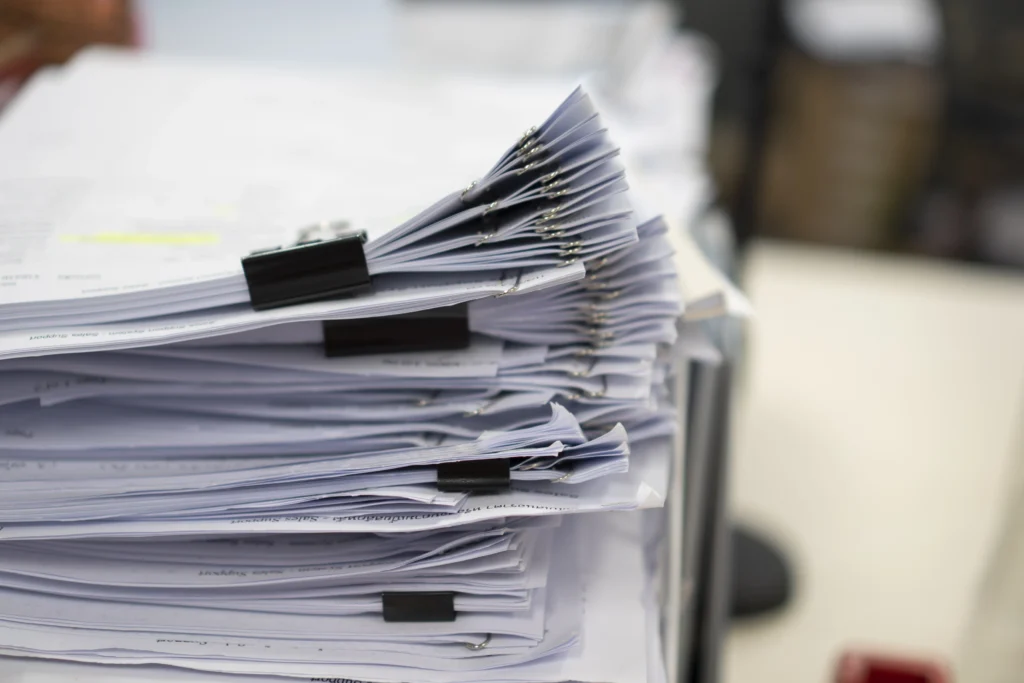
Export documentation is still complicated and is strictly controlled even though it is digital and automated. Every shipment must have extremely accurate alignment of commercial invoices, packing lists, safety data sheets, dangerous goods, and transport documents.
One of the inconsistencies, e.g. a wrong HS code or a mismatched description of cargo, may result in manual inspections and the application of regulations. These delays may manifest themselves to exporters using sea freight services too late to salvage the intended sailing.
It is not technology gaps but complexity.
What are the most frequent Documentation Errors to create the most delays?
Misplaced consignee information, old safety documents, and uncertified regulatory statements are the most common problems. In the case of chemical shipments, a slight change in hazard classification may lead to shipment holds.
Exporters utilizing services of the ocean freight forwarding also have the disadvantage of experiencing delays as the documentation arrives near cut-off hours with no window of rectification. Such mistakes never end at a single point- they initiate several points of questioning.
Why are ISO Tank Shipments more exposed to paperwork problems?
The tank shipments under ISO have extra documentation necessities of tank certification, inspection validity, and cleaning records. The exporters dealing with iso tank operators in India should also ensure that the documentation on the tanks is in a perfect match with the cargo declaration. The discrepancy of tank status and shipment paper work can result in the inspection hold or revalidation request.
Compliant ISO tank depot services can also assist in mitigating this risk, standardization of documentation and inspection records would be made prior to the tanks arriving at the port.
What is the impact of documentation errors on the planning of ports and vessels?
After the flagging of a shipment due to documentation problems, the shipment frequently misses its scheduled vessel, even when the cargo is ready in place. This causes knock-on consequences on vessel planning, yard management, and equipment allocation. Exporters are then incurring rescheduling expenses, warehouse expenses as well as long container turnover time.
It can take days to recover a documentation delay in a busy port such as Nhava Sheva, Mundra, and other US gateways. The operational effect is usually greater than the initial value of shipment.
How Do Port Agencies Contribute to the Elimination of Documentation Delays?
Port agencies serve as the gatekeeper before the cargo enters the terminal operations. They check on documentation preparedness, schedule inspections and raise points of concern.
Exporters engaged in the services of a professional port agency services enjoy the early intervention and there are high chances of shipment not being held at the gate. This active position is in particular useful in case of a change in regulations or enforcement practices.
Local knowledge usually stops international interference.
What Can Exporters Do to Minimize Delays at Documents in 2026?
Standardization is the beginning of reduction of delay. Exporters ought to apply the same templates, check documentation early enough before cut-off times and they should regularly do internal checks. When dealing with logistics partners who are used to logistics management of ISO tanks, the documentations are made to conform to operational reality, not only to regulatory requirements.
The addition of time buffers and a checkpoint to the process to review the documentation makes documentation a control rather than a threat.
Why is Proactive Documentation Management a Competitive Advantage?
By organizing documentation in advance, the exporters will have fewer delays, reduced compliance risk, and their delivery schedules will be more predictable.
Documentation discipline is becoming an effective way of separating between reactive exporters and resilient exporters as regulatory scrutiny rises worldwide. In 2026, the accuracy of paperwork ceases to be administrative, it is strategic.
Conclusion: Finding most Delays to Start on Paper, Not at the Port.
Although congestion at the port makes the news, documentation errors silently result in more disruptions in exports. When exporters invest in the accuracy of documentation and are able to review it early, they safeguard their schedules, margins and reputation. In international business, accuracy on paper is as significant as accuracy on the ground.
Get access to updates about real world logistics and an industry perspective and smarter shipping solutions on Instagram, Linkedin and Facebook.
Related posts
Port Cut-Off Times Explained: How Missing One Hour Can Delay Your Shipment by a Week
Delays in global logistics are hardly initiated by a crisis. They begin much sim

From Reactive to Predictive: How Exporters Can Use Historical Data to Plan Shipments Better
Export logistics has been reactive to an extent over the years. Delays are made,
Inside a Failed Shipment: What Really Goes Wrong in Chemical & Bulk Liquid Exports
The majority of the failed exported shipments do not crumble due to a single sen