
Last Mile for Industrial Cargo: Efficient Delivery in Congested Cities
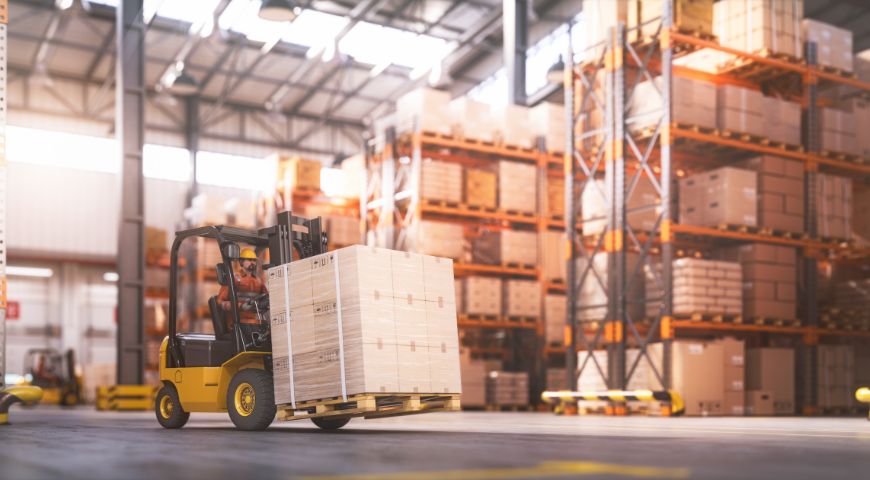
The final mile is the final mile of logistics, the final tough mile, particularly with industrial cargo.
The transportation of heavy containers, machinery, or ISO tanks in and out of congested ports and industrial corridors is very precise, planned and visible in real-time.
We do not need to be an enlightened person to realize that long-haul shipping is the cornerstone of global trade, whereas the reliability, safety, and customer contentment are defined in the last-mile delivery, at FAK Cargo. This phase identifies the efficiency of the products to reach refineries, factories, or end users, which is the actual test of a logistics network.
What Does the Industrial Last Mile Actually Involve?
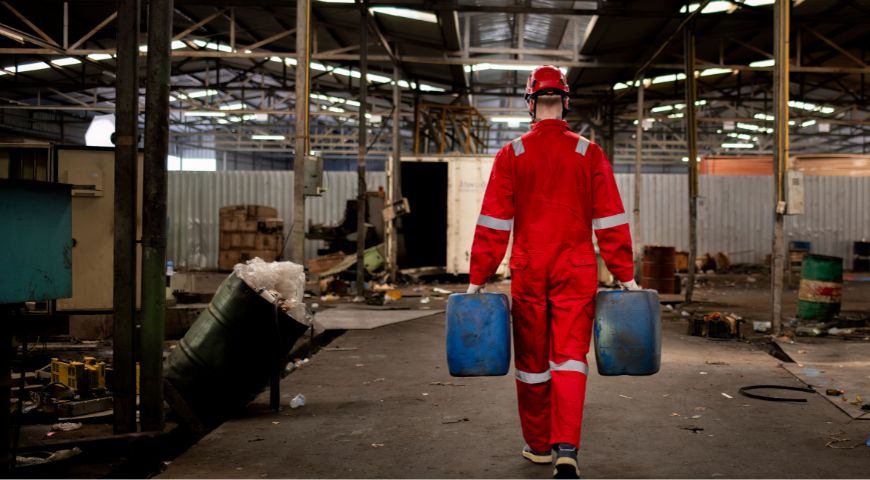
The final mile is the final distance, a distance between the port or distribution centre and the plant or client site.
Why it’s challenging:
- Crowded cities slow down excessively large goods.
- Little parking space and entrance of heavy vehicles.
- Uncoordinated city truck controls.
- Weak e-coordination among terminals and destinations.
Still, in the case of perfect port arrival, poor last-mile performance would lead to demurrage or halts in production. What is required is the ability to deliver fast and safely without interfering with the movements of urban life.
Why Is Last-Mile Delivery So Challenging in Congested Cities?
The efficient navigation of cargo in major cities is now made possible by technology.
How innovation helps:
- The AI route mapping forecasts traffic and diversion on a daily basis.
- iso tanks in Mumbai location and ETA can be tracked in real-time.
- Stoppages or accidents are avoided by dynamic re-routing.
- Geo-fencing warns motorists when they venture into industrial areas.
Under Supply chain management at FAK Cargo, integrated dashboards of ISO tanks provide the entire visibility of the port gate to the factory door.This transparency helps eliminate idle hours at peaks of exports at Nhava Sheva, Hazira or Mundra, and increase fleet utilization.
Why Is Early Coordination With Ports and Depots So Important?
Last-mile delivery begins with coordination way before dispatch.
The critical points of coordination are:
- Scheduling of the vehicle entries and cargo releases is done by port agency services.
- The ISO tank containers and trailers are ready in time in local depots.
- The permits of heavy-cargo routes are given by the municipal transport offices.
- Best logistics agents in India match dispatch time based on real-time congestion feeds.
Cohesive exchange of information between these organizations would eliminate the expensive idle-trucks roadblock that causes terminal and urban roadways to be filled.
Why Is Safety and Compliance Non-Negotiable in Urban Last-Mile Delivery?
Heavy machinery, lubricants, or other dangerous fluids that are industrial cargo must be handled differently.
Safety essentials:
- Certify vehicles and all ISO tank containers to move in the cities.
- Hire skilled personnel to carry out loading and unloading.
- Abide by the weight, emission and noise regulations.
- Having emergency response plans enables city run preparedness.
FAK Cargo staff work hand in hand with the ground handlers to promote total compliance not only to the security of cargo and the community but also to avoid fines or lost shipments.
Why Is Sustainability Becoming Central to Last-Mile Logistics?
Traffic jams are the source of emissions; innovation is becoming sustainable.
Emerging green trends:
- Short-range short-haul trucks powered by electricity or LNG.
- Minimal trips by consolidated deliveries.
- Intelligent planning that does not create traffic jams.
- Paperwork that is done digitally and accelerates checkpoints.
By doing so, exporters can achieve both ESG expectations as well as reduce fuel expenses and enhance efficiency. The concept of sustainability permeates all the last-mile decisions at FAK Cargo, speed, safety, and environmental responsibility.
What Makes the FAK Cargo Last-Mile Model Different?
The connected model of FAK Cargo connects all the logistics layers, such as the arrival of the vessel and delivery at the factory gate.
We ensure:
- Live visibility through sea freight forwarding services dashboard.
- Cooperation with port agency service to release containers in time.
- Arrangement of equipment preparedness with iso tank operators in India.
- Digital mapping and predictive data algorithm.
- Ground-based communication between clients, depots and drivers to get zero delay updates.
In Mumbai, Chennai or Los Angeles, we do not miss any timetable or compliance of industrial shipments.
What Is the Key Takeaway for Industrial Last-Mile Logistics?
The last mile is the place of accuracy and performance.
With the growth of cities, logistics needs to be developed in terms of innovation, data, and sustainability. At FAK Cargo, we combine smart routing, safety, and competent collaboration to provide faster, safer, and eco-friendly last-mile services to India, the USA, and other industrial centers of the world with efficiency and reliability.
Next-gen logistics: follow FAK Cargo on Instagram, LinkedIn, and Facebook.
Related posts

Optimizing Bulk Liquid Supply Chains: FAK Worldwide’s Data-Driven Approach
Transporting bulk liquids is among the most complex challenges in logistics. Fro
India’s Inland Waterways Expansion: A Game Changer for Bulk Cargo.
The inland waterways are being developed at an alarming rate and therefore, the

The Critical Role of Driver Training in Hazmat Road Transport Safety.
The driver is the role which is absolutely central in transportation of dangerou