
Port Congestion Forecast 2026: What Shippers Should Prepare For
With the future of 2026 now in view, the large ports in India and the USA are experiencing both prospects and stress areas. Although most routes still experience container growth, infrastructure enhancements, climate risk and changing trade routes all ensure that congestion events remain a reality. For shippers using sea freight services, ocean freight forwarding, containerised cargo — and especially bulk liquid shipments like ISO tank containers — being prepared could make the difference between smooth transit and cost-dragging delays.
This is what we have to look forward to, and the way you can avoid being caught up in the congestion curve.
What the Data and Trends Are Telling
The industry experts predict low overall cargo growth in the port of India in FY26 and there is only approximately two percent aggregate growth that can be achieved despite a potential growth in containers by an estimated 8 percent. Meanwhile, the real challenge of tension on dependability and capacity on key trade routes continues to be experienced in North America.
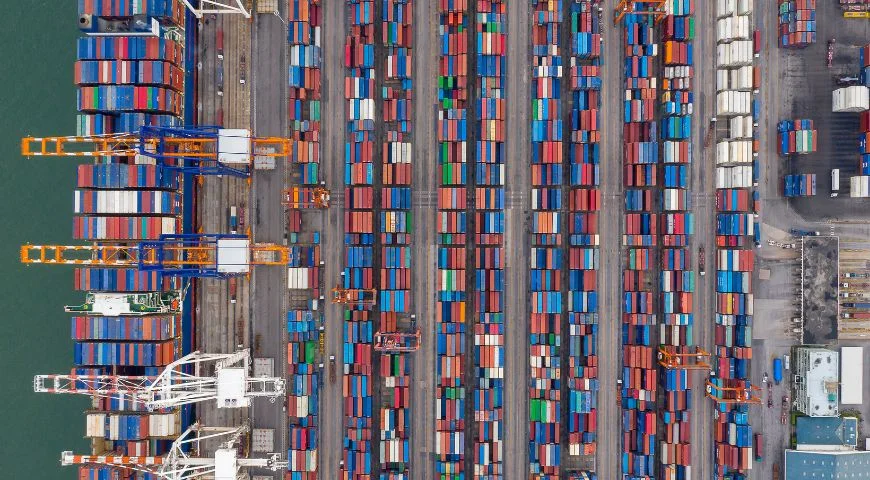
The more cargo the less the yard space, the more the risk of congestion increases. And as the manufacturing is shifting to India, the demand through the gateways like Mumbai, Mundra, Hazira and Nhava Sheva port will be steadily increasing.
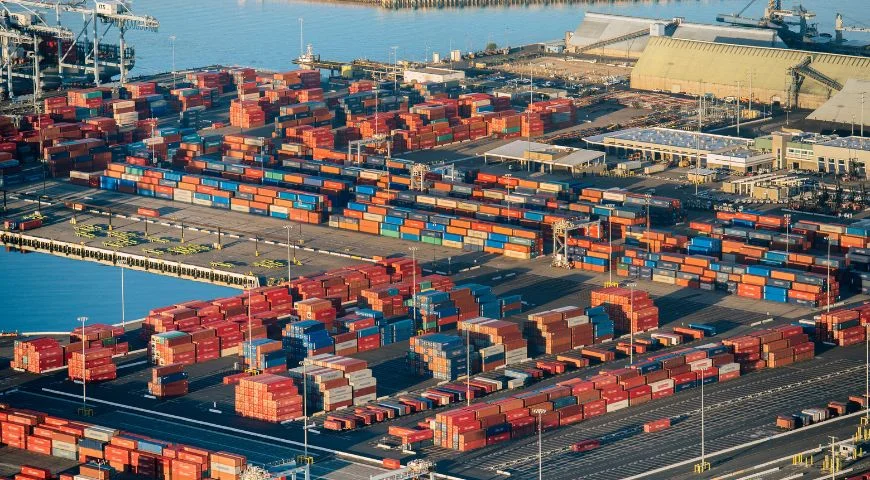
There will also be additional vessel bunching, longer turnaround times and longer dwell times in the terminals by exporters during peak periods. The unbalanced container repositioning, coupled with the increasing importation of raw materials and energy goods will continue to challenge the port capacity. Despite the government-initiated infrastructure modernization efforts in Sagarmala and PM Gati Shakti, automation in the yard and enhanced road connectivity will require time to alleviate congestion points. To shippers, this translates to increased booking lead-time, increased inland freight costs and increased reliance on regional feeder systems to sustain a steady flow of cargo.
The Most Important Congestion Triggers to Monitor in 2026
- Gap in the infrastructure and yard capacity.
- It means more container logistics in India because of changing trade lanes.
- Bad weather and closures associated with monsoons.
- Lack of equipment such as trailers and chassis.
- Shocks affecting port calls: regulatory or geopolitical shocks.
- Things are getting better– only not at a speed that will get the bottlenecks out of the system.
What Shippers Ought to Be Doing at This Time
Review Routing & Timing Transit Review
Something that was successful last year might not be perfect this year. Plan buffers at the peaks of the congestion ports in India and USA.
Enhance Equipment and Document Prepare.
When dealing with bulk liquid cargo logistics or hazardous commodities, make sure to comply and cargo visibility, and equipment are ready before arrival.
Delays in documentation remain among the leading causes of port hold-ups.
Enhance Real Time Visibility.
Keeping a schedule of berths, space in yards and pickup slots will serve to prevent unnecessary waiting and delays in ports.
Have Back Up Logistics Appropriate.
Work with partners who can switch between ports, plan alternate haulage, or secure urgent air freight logistics when needed.
Partner with Established Local Investors.
Strong port agency services, bunkering services in India, and reliable customs coordination shorten container idle time.
Intelligent logistics is better than costly improv.
The Implication of This to Your Business
Neglect in congestion warnings will result in:
- Increased detention and demurrage.
- Threat to scheduled inventory.
- More warehouse cost.
- Tension with key buyers.
But if you plan now:
- Lower overall freight cost.
- More reliable deliveries.
- Increased elasticity of markets.
Ready is not an option any more, it is a way you remain in business.
Final Thoughts
Port congestion in 2026 is not going to vanish. However, planned supply chain management of equipment, routing, and coordination will make uncertainty an opportunity.
For shippers operating India-USA lanes — especially those using ISO tank operators in India or sensitive chemicals transportation — the goal is clear: keep cargo moving and costs controlled.
Keep Your Cargo Moving
FAK Cargo supports shippers with ocean freight forwarding services, air freight logistics, and on-ground port agency services for bulk liquid cargo. Our experience prevents the delays of customs when they do not have time to upset your supply chain.To get more information and updates that can be actually helpful, follow us on Instagram, LinkedIn, Facebook.
Related posts

Measuring Sustainability in Logistics: FAK Worldwide’s Key Performance Indicators
Sustainability in Logistics: A Necessity, Not a Choice Sustainability is no long

Chemical Logistics in Emerging Markets: Opportunities and Challenges
Emerging markets are becoming the cornerstone of growth in the global chemical l

Advanced Warehousing Solutions for Bulk Chemicals: FAK Worldwide’s Expertise
The storage and handling of bulk chemicals are intricate processes that demand p