
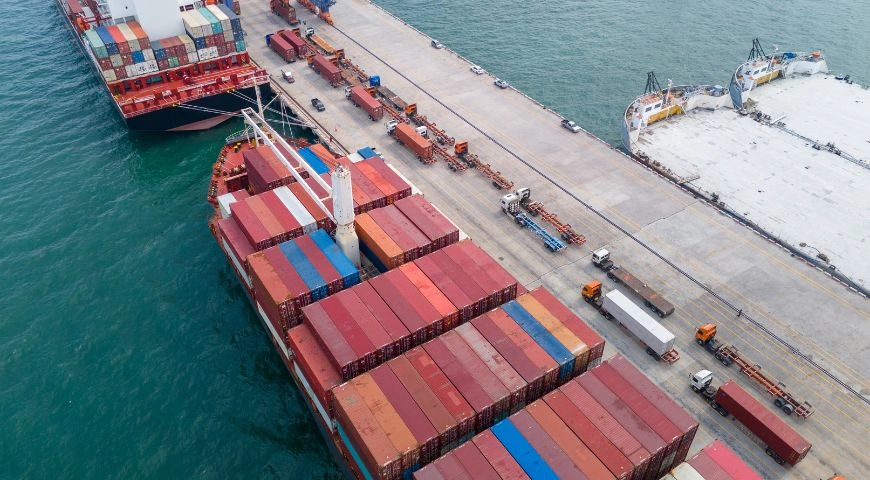
Port Cut-Off Times Explained: How Missing One Hour Can Delay Your Shipment by a Week
Delays in global logistics are hardly initiated by a crisis. They begin much simpler more often, with having missed a port cut-off time by minutes. To the exporters in India and USA, this one omission can softly destroy a whole export programme resulting in rollovers, detention fees and failed delivery promises.
With 2026 approaching and ports becoming increasingly more congested, as well as stricter in their compliance, the issue of port cut-off times and their comprehension and planning has become an important component of export strategy and not merely a detail of operations.
What Are Port Cut-off Times and Why Are They So Important?
The last deadlines provided by terminals and shipping lines are the port cut-off times, within which a vessel is allowed to deliver shipping containers and shipping documentation. These cut-offs normally involve container gate-in, shipping instructions and submission of documentation.
The container does not hesitate once one of the cut-offs is missed. It is carried to the next convenient sailing, which may amount to the loss of several days- or even a whole week in busy times. To exporters who use sea freights and depend on the services, this brings about instant uncertainty on the delivery schedules, coordination with buyers and inventory planning.
His cut-offs are now imposed more stringent than ever, in busy Indian ports like Nhava Sheva, Mundra and Hazira because of increased volume and a shortage of yard space.
What happens when you miss a cut-off and make the entire chain of delays?
When a cut-off is missed it seldom affects a single shipment. It tends to cause a domino effect through the supply chain.
Containers that fail to sail within the sailing windows result in extra cost of storage, detention, and repositioning. The effect can be even more complicated in the case of exporters transporting chemicals or bulk liquids using the iso tank containers. Tank and cleaning schedules are time-sensitive, as well as depot planning, and when the port is delayed, it may cause numerous downstream transits.
Congestion of major gateways in the USA including Los Angeles, Houston and Savannah implies that missed cut-offs may lead to serious rescheduling difficulties- particularly when there is hiccup in the weather or labour bottlenecks.
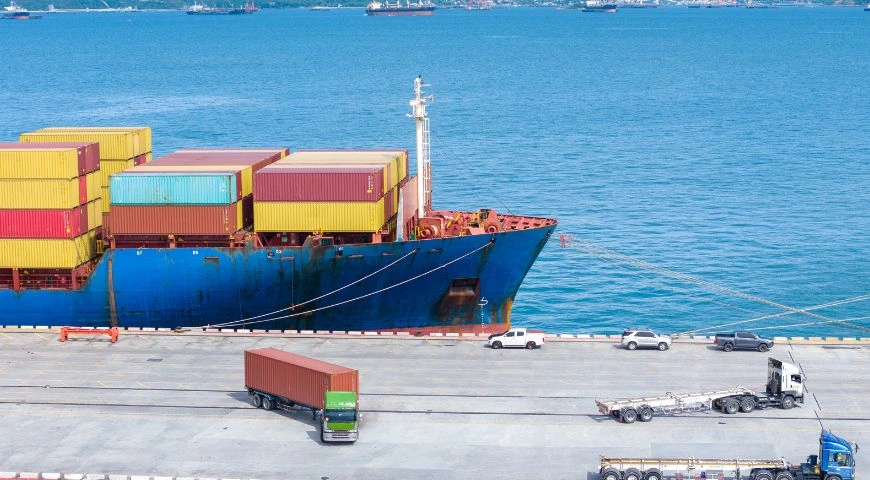
Why are ISO Tank Ships Shipments More Sensitive to Cut-Off Delays?
In contrast to dry containers, the ISO tanks are subjected to a close ecosystem. A delayed shipment also has an impact on tank rotation, cleaning slots and compliance inspections.
The exporters dealing with iso tank operators in India are mostly dependent on the accuracy of coordination between the depots, terminals and the port agency personnel. A lost cut-off can result in the inability to use the tank in time, which adds expenses and decreases the profits to be devoted to export in the future.
That is why exporters moving bulk liquids are more and more interested in cooperation with the logistics companies, which have high levels of port agency services and local operational control in the important ports.
How Can exporters better plan around Port Cut-offs in 2026?
The first step to smarter planning is to realise that the cut-off times do not stay the same. They may vary because of the bunching of vessels, weather, and congestion of terminus.
It may be minimized because the exporters can create buffer time in inland transportation, readiness of documents early, and stay in real-time communication with the port teams. Reliability is enhanced with the help of experienced logistics partners who provide a combination of coordination that is integrated between ports and depots.
In the case of the ISO tank shipment, the proximity of depot services of the ISO tank and proactive planning of the ports serves to position the tanks, compliant, and readiness ahead of deadlines.
What is the role of Port Agencies in the prevention of Missed Cut-offs?
Port agencies are the ears and eyes at the terminal. They give instantaneous berth assignments, terminal congestion and documentation status- too often even before delays become apparent to shippers.
In the case of exporters who work both in India and in the USA, effective coordination of port agencies will help eliminate numerous guesses and be able to respond faster in case of unforeseen schedule changes.
Conclusion: Why Cut-Off Discipline Is a Competitive Advantage
Speed is not better than reliability in the modern logistics environment. Those exporters that use port cuts to times as a strategic point, rather than as a last-minute deadline, will have fewer disruptions, less cost and greater trust by buyers. With the rising complexity of global trade in 2026, an organized strategy involving cut-offs will divide reactive and resilient shippers.
Get real-life logistics notifications, industry knowledge, and smarter shipping options on Instagram, LinkedIn, and Facebook.
Related posts
Inside a Failed Shipment: What Really Goes Wrong in Chemical & Bulk Liquid Exports
The majority of the failed exported shipments do not crumble due to a single sen