

Tank Container Scheduling Conflicts: Why Availability ≠ Readiness
Exporters tend to believe that when the ISO tank is available the shipment is ready to transit. As a matter of fact, availability and readiness are two distinct things. Most of the export delays available in the chemical and bulk liquid logistics are not due to the lack of tanks-but rather the lack of tanks in operation when they are required.
To the exporters in both India and USA, this difference is very important in avoiding the last minute inconveniences, missed vessels and increased involvement in logistics.
What then is the meaning of the Tank Availability?
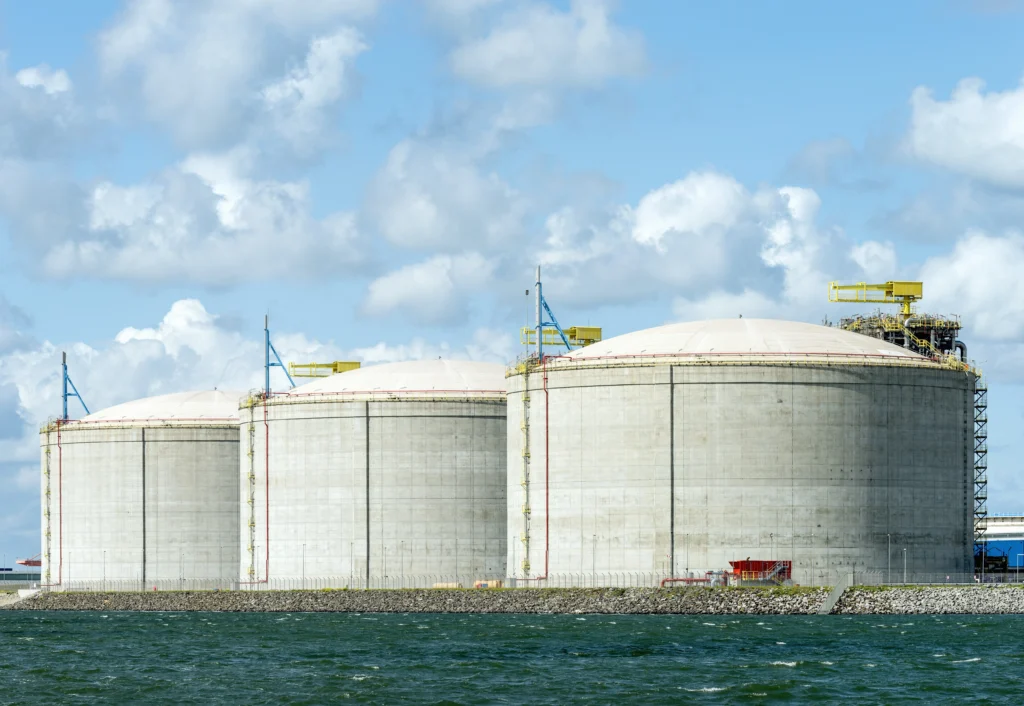
Tank availability normally implies that there is a physical ISO tank in the network. Nevertheless, this does not mean that the tank can be put into use immediately.
Preparedness is based on several factors – cleanliness status, inspection validity, pressure testing, documentation clearance and positioning. In the case of exporters who are operating in iso tank containers, the neglect of these variables may result in scheduling problems which manifest themselves just days prior to shipment.
Availability which is not accompanied by readiness causes an illusion of safety.
What is the Reason Scheduling Conflicts Occur So Often?
Time and again scheduling conflicts are created by tight schedules and disjointed coordination. A tank can be discharged out of a former shipment and yet needs to be cleaned or inspected.
The exporters of iso tank operators in India often have to struggle with the problem of tanks being at a long distance with the loading point or a lack of depot slots. Delays at one stage affect the whole schedule out of balance particularly during high export seasons. Even slight incongruences in time can grow rapidly in such heavy traffic areas as Mumbai-Nhava Sheva or Mundra.
What is the Relationship between Cleaning and Inspection Cycles and Readiness?
ISO tank reuse does not compromise cleaning and inspection. Before transporting new cargo, each tank must be of high standards especially on food grade or hazardous material.
The capacity of the ISO tank depot services is limited, and may increase the turnaround time, particularly during the peak season. Failing to book cleaning and inspection slots early will mean that exporters will end up with idle tanks yet these tanks are technically open.
This is among the reasons why exporters are likely to miss scheduled sailing windows.
Why Are These Conflicts Catching exporters off Guard?
Most exporters are making shipments using optimistic assumptions instead of operation reality. They can coordinate vessel bookings without ascertaining tank readiness milestones.
This risk is enhanced by the inability to see how depots are running and the condition of equipment. Failure to co-ordinate in real-time leads to problems that are realized too late to address effectively. This is especially difficult among exporters who have to handle multiple consignments with strict delivery schedules.
What is the role of Ports and Cut-offs in Tank Readiness?
Another point of complexity is port schedules. Being ready, a tank may not arrive on time, even at the port because of missed cut-off shipment.
With the help of sea freight services, exporters have to coordinate the tank preparation with the ship schedule, inland transportation and documentation schedule. Any mismatch augments the risk of rollovers and extra storage expenses.
Well coordinated port agency services can ensure that these moving components are synchronized by adjusting timing at the terminal level.
How to cut tank scheduling conflicts at the exporter level in 2026?
The first step to conflict reduction is proactive planning. Before making vessel bookings, the exporters must ensure that tanks are ready and not only available.
When collaborating with logistics partners with expertise in Supply chain management for ISO tanks, coordination between depots, ports, and carriers are enhanced. Risk reduction is also achieved by creating buffer time into schedules and obtaining depot slots in advance.
Transparency and advance confirmation are much more effective than the last-minute escalation.
Why is Partner Experience such a Big Deal?
Tank logistics as per the ISO standards work on a thin margin of error. Knowledgeable partners about the equipment cycles, depot constraints, and port realities will be able to foresee the conflicts before they develop into issues.
The exporters who ship to the USA out of India feature the advantage of collaborating with groups of people who know the market capacity of depots in the region, port congestion and carrier practices. This expertise may make or break a shipment, as a smooth movement or a stall in a shipment.
Conclusion: Availability Is Not Enough Readiness Moves Cargo
Availability is just the beginning in the case of ISO tank logistics. The actual preparation dictates whether a shipment will be on schedule or will become an expensive delay.
Planning exporters with preparation rather than guesswork can achieve better schedules, reduce expenses and have a better control over their supply chains. Precision planning will not be optional in 2026 but it will be a necessity.
Get updated with real-life logistics news, industry trends, and smarter shipping on Instagram, LinkedIn, and Facebook.
Related posts

The Science Behind Safe Chemical Storage: A Guide to Regulatory Compliance
In the world of chemical logistics, proper storage of hazardous chemicals is a c

Tailored Port Agency Solutions for Diverse Cargo Types: FAK Worldwide’s Expertise
Efficient port operations are critical for the seamless movement of goods across

Hybrid Transport Models: Combining Rail, Road, and Sea for Bulk Liquids
Efficiently transporting bulk liquids across regions and continents demands a fl

Leave a Reply