
Opportunities of India-Middle East Trade Corridors in Chemical Logistics
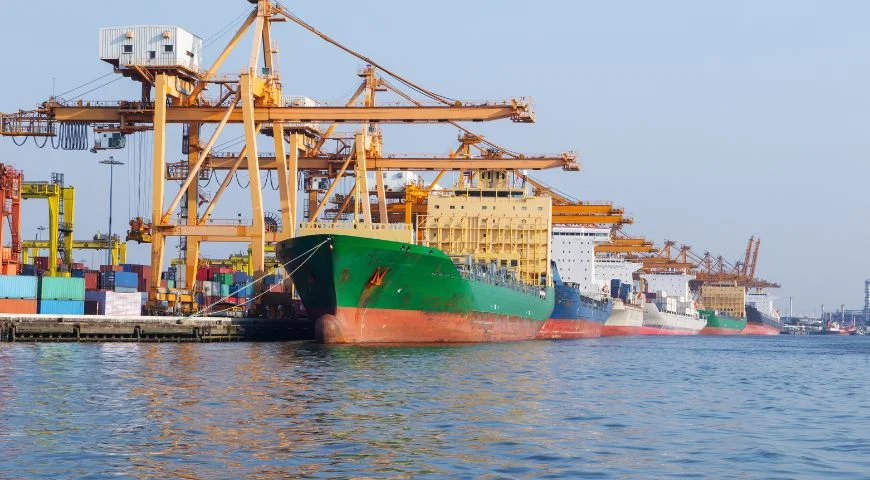
There is a change in the logistics horizon. New trade routes between India and the Middle East have more than just new destinations to chemical shippers in India and the USA: new trade routes come with new routes, lower lead times and lower costs. Included in your sea freight forward planning or air cargo forwarding plans, you must know these corridors not as an option, but as a tactic.
This is how new connection and corridor opportunities open the opportunities of really new opportunities in chemical logistics.
1) Why India-Middle East Link is important to Chemical Shipping
This is a big game-changer in the proposed India-Middle East-Europe Economic Corridor (IMEC). It is intended to connect western ports in India via the Arabian Gulf and the rest of Europe by road, rail and sea.

In the case of chemical logistics, it can be seen as follows:
- It costs less and has shorter transit times than conventional longer sea routes through Suez.
- Enhanced connectivity/port infrastructure at Gulf hubs translates to improved off-loading, faster turnaround and improved reliability.
- India will be a better export base as well as trans-shipment location of bulk chemicals to the Middle East and other destinations.
- If you’re a chemical shipper using ISO tank containers or drums, this corridor trend means your logistics strategy must adapt–faster access, streamlined routes, and smarter partnerships.
2) What the Operators of Logistics Should Do to take advantage of
a) Select the appropriate gateway and modal mix.
When it comes to transporting hazardous or bulk liquids, the choice of the port, as well as the means of transportation, is crucial to shippers. Western Indian ports (as Mundra, Nhava Sheva) are already chemical gateways. With Gulf hubs upgrading connectivity, linking sea freight services in India to Gulf trans-shipment can cut cost and time.
b) Ensure equipment and regulatory ready.
Chemical logistics demands certified packaging–think ISO tank containers, ISO container tank operations, and high-quality depots. Whether loading in India or U.S. it takes smooth transfers through Middle East ports which are subject to local regulations, tough handling and appropriate equipment preparation.
c) Extend your network and presence.
In transporting chemicals over land routes, your logistics partner should provide multi-modal coverage, effective port-agency services in the Gulf ports and efficient supply-chain management of ISO tanks. Live visibility and documentation compliance mitigate the chances of delays, regulatory detentions or additional expenses.
3) Indian and USA Shipper Advantages and Problems
Benefits
- Speed & efficiency: The corridor has a quicker turnaround, which implies that there is reduced inventory hold time and cost of capital.
- Better market accessibility: To Indian specialty chemicals exporters and to U.S. importers/distributors, the Middle East can serve as a trans-shipment centre or end markets.
- Infrastructure enhancement: New ports, rail and road connections available, the dependability of the logistic of the chemicals increases.
- Challenges
Complexity of regulations: There is frequently two-source regulatory compliance (export/import), and there is the added complexity of corridor transit compliance. - Equipment alignment: Chemical shippers must rely on container types (e.g., ISO tank containers) suited for bulk hazardous cargo. Any poor connection in handling or depots is risky.
- Co-ordination between regions: Global logistics between India and Gulf and Europe or USA needs co-ordination of carriers, freight forwarders, port-agencies and inland transport.
Conclusion: Think Ahead, Act Now
This is a strategic turn point, with respect to chemical logistics teams, to the Indian-Middle East trade corridors. Using established packaging solutions, robust modalities (sea freight, air freight logistics when required), and strong partnerships in ports and agencies, you can leverage faster, cost-effective routes rather than being locked into legacy lanes.
Start by assessing your current route, transit time, cost per tonne, and packaging choices (ISO tank containers, drums, etc.). then plot how association of the corridors can improve every member.
Intelligent logistics, shorter deadlines, higher margins required? Invest in the proper equipment, choose the right partner, and align yourself with these new corridors before they become the norm.
Keep Your Cargo Moving
FAK Cargo supports shippers with ocean freight forwarding services, air freight logistics, and on-ground port agency services for bulk liquid cargo. Our experience prevents the delays of customs when they do not have time to upset your supply chain.Get more smart logistics information on Instagram, LinkedIn, Facebook.
Related posts
Sustainability in Bulk Liquid Transport: FAK Worldwide’s Commitment to Environmental Responsibility
In an era where environmental impact has become a global concern, sustainability

Why Sales and Commercial Teams Must Understand Logistics Before Promising Timelines
In 2026, delivery promises matter more than ever. India’s total exports for Fe

Innovation in Motion: The Latest Advances in ISO Tank Design
Smarter Tanks for a Smarter World As global trade becomes faster, smarter, and g