
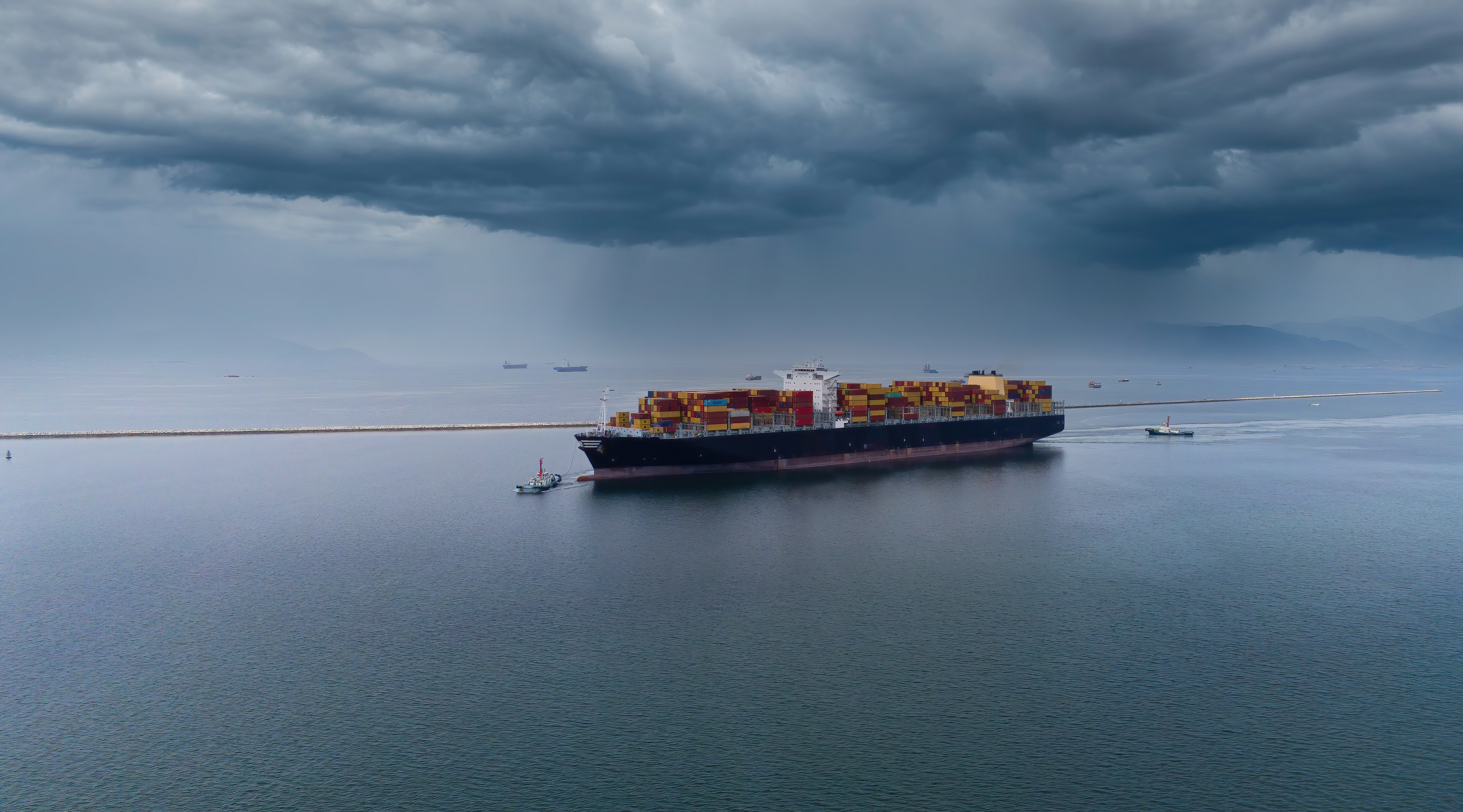
How Weather Disruptions Are Quietly Reshaping Global Shipping Routes
Shipping has never been immune to weather conditions, but over the last several years its effects have become much more misconducting and unexpected. The exporters in India and the USA are currently operating in a logistics environment in which extreme weather events do not lead to delays in the global shipping network isolated anymore but to the active reorganization of global shipping routes.
The comprehension of the impacts of climate-related upheavals on routing, capacity, and costs has become vital to exporters interested in having predictable supply chains.
Why Is Weather Becoming a Greater Muddle in International Transportation?
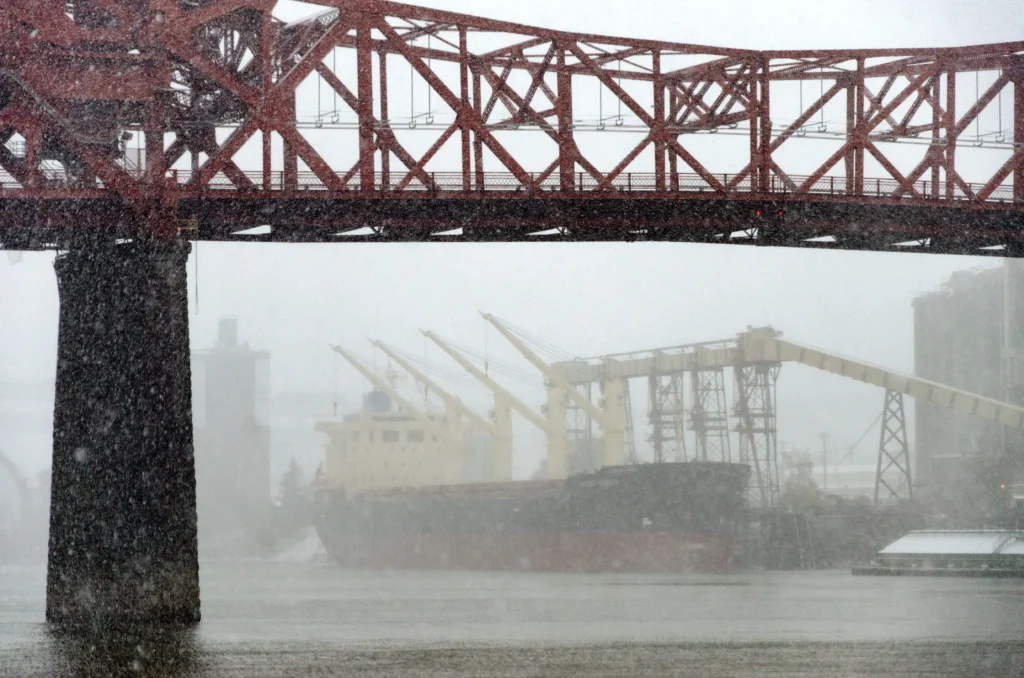
Weather related disruptions are more frequent and extreme with rising sea temperature, more storms, unpredictable monsoons and lengthening heat waves. The Indian Ocean cyclones, hurricanes in the US Gulf Coast, and typhoons in Asia-Pacific routes have caused ships to rerouted or slowed down on a regular basis. Such changes may appear insignificant however, these changes cause days to be added on the transit time and congestion at other ports.
Weather volatility is no longer an exception to the planning factor by exporters who make use of the services of the sea freight services.
What is the effect of Reroutes caused by weather on Shipment Timeframes?
The consequences are felt throughout the supply chain when ships are redirected. Port arrival and berthing time slots are altered, and container discharge schedules are modified.
Even in a scenario where the origin operation is at its best, exporters are likely to suffer some delays that are not expected. In the case of shipments of iso tank containers, rerouting may cause a break in tight equipment rotations, cleaning schedules and availability of tanks on further export. These cascading effects are increasingly being experienced in peak weather seasons especially in India and the USA.
What Makes Some Trade Lanes More Exposed Than the rest?
All routes are not equally risky to the weather. The roads traversing cyclone prone areas or busy coastal strips are especially vulnerable.
Shipments like that of India over the Arabian Sea during the monsoon months or that of the US Gulf over hurricanes need extra buffer time. Exporters that are getting ocean freight forwarding services should take into consideration seasonal fluctuation when binding to delivery schedules. Failure to consider them frequently leads to deadline expenses and contractual fines.
What is the Relation between Weather and Port Operations/ Capacity?
The weather disturbances do not end at sea. Port activities can be hindered by heavy rain, strong winds or an extreme heat wave.
Container dwell time is caused by crane shutdowns, labour safety limits, and lower yard productiveness. In case of exporters, who lack effective port agency services, it is hard to react fast to the changes in the situation as the information is not updated immediately. Mumbai, Nhava Sheva, Houston, and New Orleans ports have all been slowed down due to weather, which has affected the export schedules over the last few seasons.
What Do ISO Tank and Chemical Shipments Risks Look Like?
There is an added risk to the chemical and bulk liquid cargo during the weather disruptions. Delays expose them to variations of temperature, complies as well as audit review. Exporters dealing with the iso tank operators in India should also make sure that the tanks are well certified and monitored in case the transit time is prolonged unforeseen. The availability of good ISO tank depot services is vital in case of shipment delay or rerouting.
Delays due to weather issues may soon become a challenge of compliance unless they are handled in advance.
What Can More Effective Weather-Related Disruption Planning be?
Weather is a fundamental risk factor that should be considered during effective planning. Exporters have to create seasonal buffers in schedules and not to make excessive tight delivery commitments at the high risk periods.
The trends of performance and real-time monitoring of lanes with the help of historic weather patterns and current conditions enable exporters to predict the disruption earlier. Good coordination between logistics partners assists in rerouting the shipments or changing plans before delays occur as a critical issue. The important thing about resilience is flexibility not speed.
Summary: Weather Risk (Has) Become Logistics Constant.
Weather disturbances are no longer infrequent disturbances. They are defining the functioning of the global shipping routes as well as the way the exporters need to plan.
The companies that introduce the weather risk into their logistics plans get fewer surprises, reduced costs, and improved delivery reliability. Weather-sensitive planning will no longer be optional in 2026, as it will be a competitive requirement.
Keep up with us on Instagram, LinkedIn, and Facebook where you can get real-world logistics news and industry knowledge as well as smarter shipping solutions.
Related posts

What Exporters Get Wrong About “Guaranteed Transit Time”
One of the most confident phrases used in the logistics is guaranteed transit ti