
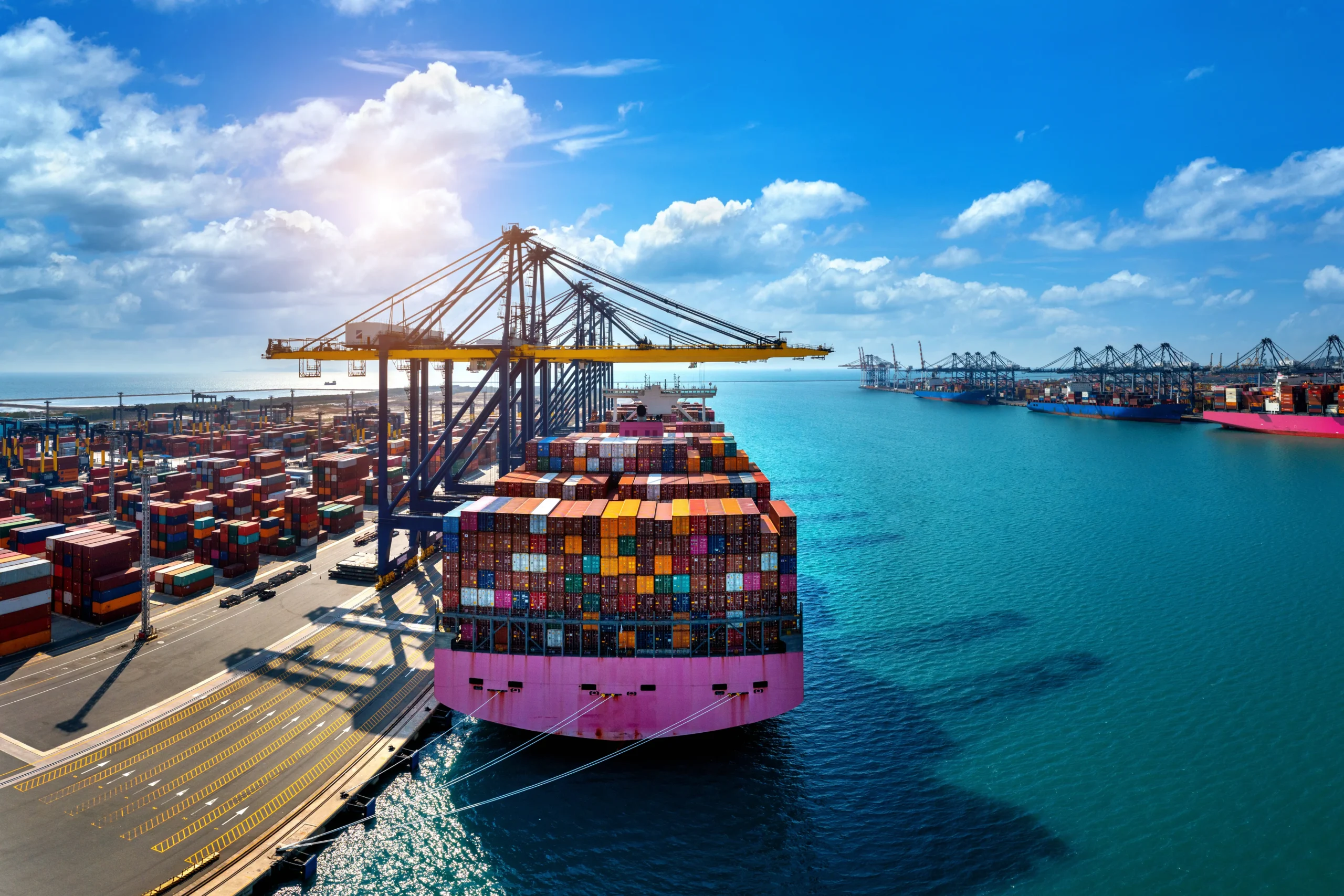
International Shipping Mistakes: Top 10 Errors Exporters Make
Indian exporters suffer millions of losses due to shipping errors every year. International shipping mistakes can lead to shipment delays, unexpected costs, customs issues, and dissatisfied buyers. Understanding the most common export logistics errors can help businesses reduce risk and improve supply chain efficiency.
Avoid costly mistakes by following below the top 10 shipping pitfalls that Indian exporting businesses make and how they can avoid them. Make it easy and save time and money.
Mistake #1: Incomplete or Incorrect Documentation
The scenario that occurs: A shipment was sent to Singapore, but the company name in the invoice is different from the name on its shipping documents, and this causes the shipment to become stuck for 7 days.
The reason is that customs officials point out discrepancies. One error may cause your entire shipment to be delayed.
How to avoid:
- All documents to be submitted will be cross verified 3 times
- Make sure of a consistent company name, address and IEC number throughout all the forms
- Follow the checklist template provided in a professional forwarder’s checklist
Cost of mistake: ₹20,000-50,000 in port charges + 5-10 day delays
Mistake #2: Commodity Misclassification
What they do: An exporter labels electronics as “general goods,” which means that the goods have to be re-handled, at a high cost and delays the shipment.
Why it is important to avoid misclassification:
- Excessive or inadequate freight rate (undershot rate, then surcharges)
- Not following the rules (safety, fire hazard)
- Rejections and re-inspections
How to avoid:
- Never assume the HS code of the commodity, always check with your forwarder
- In case of doubt refer to India’s customs HS code database
- Obtain certificates from your manufacturer if you are in the pharma/chemicals industry
There are extra costs involved in claim reclassification (from ₹30,000 to ₹100,000) and delays due to contentious claims.
Mistake #3: Mistaking Dimensional Weight
What happens: You send a box which contains foam cushions (5kg, but 2CBM). A lightweight but bulky shipment may be charged based on dimensional weight rather than actual weight, resulting in unexpectedly high air freight costs.
Why it matters:
Airlines use the “chargeable weight” which will be either the actual weight or dimensional weight, whichever is greater. Expensive transporting of light, bulky goods is quick.
How to avoid:
- Always calculate: Length × Width × Height ÷ 6,000 (CBM) or ÷ 5,000 (cubic inches)
- Strive to minimize package size by using proper packaging
- If your items are of a large size consider sea freight
Cost of mistake: Air freight overcharge of ₹20,000-100,000+
Mistake #4: Bad Packaging & Labeling
The consequence: Goods are damaged on arrival, due to inadequate packaging. Or because it does not have labels or the labels are not clear.
Why it matters:
- Damage claim is a complicated and time-consuming process
- Lack of clarity in label results in customs delays
- If a package is negligently designed, it is unlikely that the insurance will cover the damages
How to avoid:
- Proper palletizing and strapping
- Label with shipping labels: Shipper’s name, consignee, destination, quantity of packages
- Include hazard words (if applicable)
- Take pictures of full load cargo prior to loading
Cost of mistake: ₹50,000-500,000 (depending on cargo value)
Mistake #5: Failing to Plan for Delays in Customs
The actual situation: You agree to ship in 15 days, but it takes 7 days to clear customs when you arrive at the shipping destination. Your buyer becomes frustrated.
Why it matters:
Delays affect customer trust and shipment timelines.
How to avoid:
- Please note that 5-10 days for customs clearance are to be added
- Have a customs broker in destination prior to importing
- Be realistic with timelines to buyers
- Monitor status of customs documents’ submission
Quality Control: Proper planning helps maintain customer relationships, protect your reputation, and ensure timely payments.
Mistake #6: Ignoring Port Congestion & Peak Seasons
What you should do: Set aside a container for June (highest export month). It is at the port for 10 days due to congestion before it is allocated to a vessel.
Why it matters:
This is usually the period of June-August and November-December when there is a delay in the ports. No planning = no shipping windows.
How to avoid:
- Reservations are advised during busy periods 2-3 weeks ahead of time
- Discuss with the forwarder what to expect for port congestion
- Consider air freight or smaller consolidated shipments when shipping during peak seasons
- Monitor vessels by real-time port dashboards
The downside to the mistake is that it can delay the order by 5-10 days, making it possible for the customer to miss the order deadline.
Mistake #7: Using the Wrong Incoterms
What goes wrong: You say “FOB Mumbai” but you don’t say that you would have to pay for insurance. Your margin disappears.
Why it matters:
The terms (FOB, CIF, DDP, etc.) define cost responsibility. Choosing incorrectly leads to additional expenses.
How to avoid:
Before you enter into the terms of trade (Incoterms) understand what they are and how they impact the quotation process:
- FOB: Seller responsible until goods are loaded onto vessel.
- Buyer assumes responsibility from that point onward.
- CIF: Seller pays freight and insurance to destination port.
- Risk transfers once goods are loaded.
- DDP: Seller bears maximum responsibility, including duties and delivery.
Cost of mistake: ₹50,000-500,000 margin loss per shipment
Mistake #8: Not Having Real-Time Shipment Tracking
What happens: You are held up for 10 days and only after your buyer complains do you become aware of the issue.
What it means:
If you’re not transparent, you’re not communicating with customers, and trust is lost.
How to avoid:
- Employ forwarders that have digital tracking dashboards
- Automatic updates of status
- Be aware of vessels/flights inbound and outbound ahead of time
- Give shipment updates to buyers
Outcome: Client is unhappy, and they do not have the opportunity to buy the product/service again.
Mistake #9: Not Having Insurance for Valuable Cargo
The scenario: ₹50 lakh shipment breaks on the way. If you don’t have insurance, you’ll have to cover the entire expense.
Why it matters:
Damage in the ocean or air cargo industry occurs seldom (1-3%) but is completely devastating if it does not have insurance.
How to avoid:
- Cargo insurance for any cargo above ₹10 lakhs
- Consider ‘All Risks’ coverage (standard is limited)
- The cost will generally be 0.5-1% of the value of the shipment
- Please keep original invoices for claims
Loss of cargo value: 100% of the value of the cargo (could be ₹10-100 lakhs).
Mistake #10: Ignoring Import Regulations in the Destination Country
What happens: Your shipment reaches the destination country on time, but customs holds it because it does not meet local import requirements. Missing certifications, incorrect labeling, restricted products, or non-compliant packaging can lead to delays, penalties, or even shipment rejection.
Why it matters: Every country has its own import regulations, documentation requirements, duties, and compliance standards. Failing to understand these requirements can result in unexpected costs, dissatisfied buyers, and disruptions to your supply chain.
How to avoid:
- Research destination-country import regulations before shipping.
- Verify product-specific requirements, certifications, and labeling standards.
- Work with experienced freight forwarders and customs brokers familiar with local regulations.
- Confirm compliance requirements with your buyer before dispatching the shipment.
- Review customs documentation carefully to ensure all information is accurate and complete.
Potential Impact: Customs delays, additional storage charges, penalties, shipment rejection, or loss of business opportunities due to non-compliance.
Key Takeaway
There is a lot that can be done to prevent most shipping delays and costs. Have everything documented, use professional forwarders, be prepared and plan ahead, and communicate. This is 80 per cent of the success of international shipping.
Are you struggling to find a reliable international cargo shipping service provider? FAK Cargo offers dedicated worldwide cargo shipping facilities for various industries, with your freight delivered safely and on time.
Don’t stress out, let the expert handle it.
Connect now and let us take care of the international shipping requirements for your business.
Related posts

Leveraging AI and Blockchain for Supply Chain Efficiency: FAK’s Innovations
In an industry that demands speed, accuracy, and transparency, the logistics sec

Digital Transformation in Logistics: FAK Worldwide’s Leading Role
The logistics industry has seen remarkable advancements with the integration of

The Role of Global Logistics Partners in Supply Chain Management: FAK Worldwide Leading the Way
In today’s interconnected global economy, supply chain management plays a pivo