
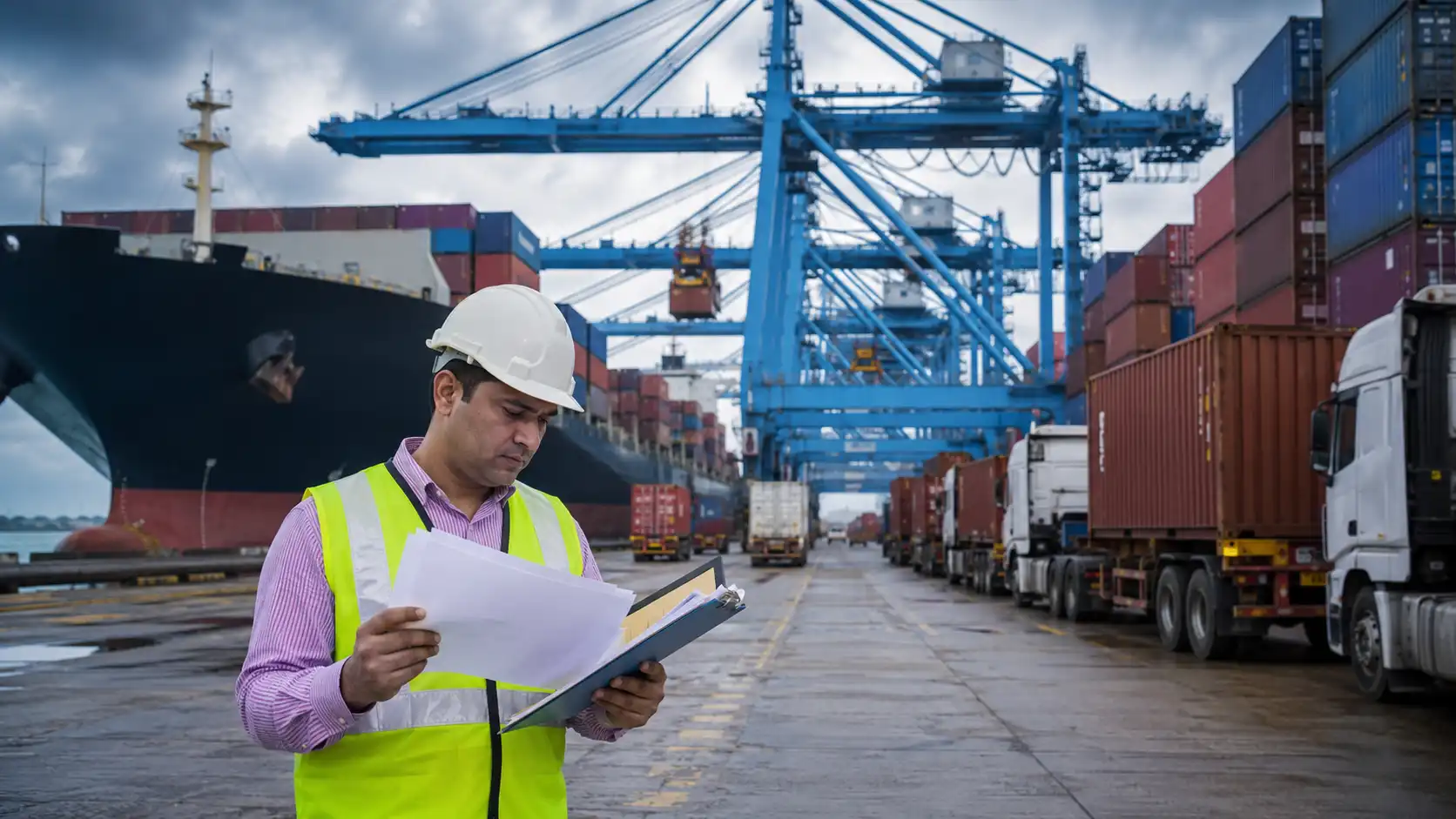
Demurrage vs Detention vs Port Storage Charges: What Indian Exporters Must Know
International shipping involves several moving parts, from factory dispatch and customs clearance to container handling and vessel schedules. While most exporters focus on freight costs, many overlook additional charges that can significantly increase the total cost of shipment.
Among the most commonly misunderstood costs are demurrage vs detention and port storage charges. Although these terms are often used interchangeably, they refer to different situations and are charged by different entities.
Understanding how these charges work can help Indian exporters improve shipment planning, avoid unexpected expenses, and maintain better relationships with shipping lines and logistics partners.
Quick Answer
Demurrage is charged when a loaded container stays inside the port or terminal beyond the free time allowed by the shipping line.
Detention is charged when a container remains outside the port, usually with the exporter or importer, beyond the permitted free period before it is returned.
Port storage charges are collected by the port or terminal operator when cargo or containers occupy terminal space beyond the free storage period.
Knowing the difference helps exporters avoid unnecessary logistics costs through better planning and coordination.
Why These Charges Matter for Exporters
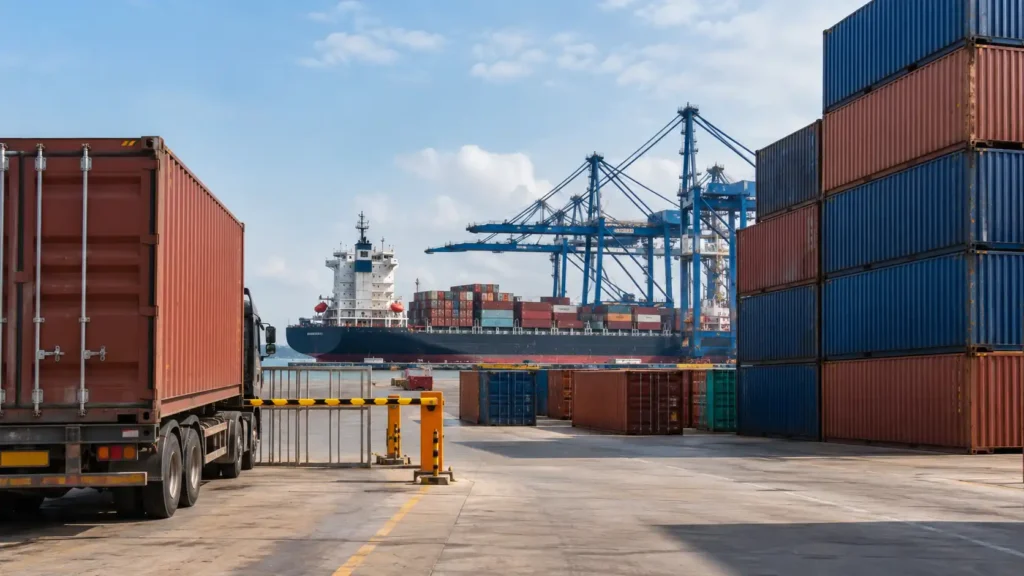
Shipping delays can occur for various reasons, including documentation issues, customs inspections, production delays, transport disruptions, or vessel schedule changes.
When containers remain at the terminal or outside the port longer than permitted, additional charges begin to accumulate.
For exporters handling regular shipments, even a few delayed containers can substantially increase logistics expenses and reduce profit margins.
Understanding these costs is an important part of effective Freight Forwarding Solutions and export planning.
What Is Demurrage?
Demurrage is a charge imposed by the shipping line when a loaded container remains inside the port terminal after the allowed free time has expired.
In simple terms, the container is occupying valuable terminal space while still under the shipping line’s responsibility.
When Does Demurrage Apply?
Demurrage charges may arise when:
- Export documentation is incomplete
- Customs clearance is delayed
- The container arrives too early before vessel loading
- Vessel schedules change unexpectedly
- Operational congestion occurs at the port
The shipping line provides a specific number of free days. Once this period ends, demurrage charges begin on a daily basis.
What Is Detention?
Detention is charged when the container has left the port but is not returned to the shipping line within the agreed free period.
Unlike demurrage, detention relates to the use of the container outside the port.
Common Reasons for Detention
Detention charges may occur when:
- Factory loading takes longer than planned
- The exporter delays container return
- Inland transportation is delayed
- Warehouse unloading is slower than expected
- Equipment scheduling problems occur
The longer the container remains outside the port, the higher the detention charges become.
What Are Port Storage Charges?
Port storage charges are different from both demurrage and detention.
These charges are collected by the port or terminal operator for occupying storage space beyond the permitted free storage period.
Unlike demurrage, which is charged by the shipping line, storage charges are levied by the port authority or terminal operator.
Port Storage Charges Usually Apply When
- Cargo remains at the terminal for extended periods
- Customs examination delays container movement
- Delivery instructions are delayed
- Documentation is incomplete
- Import or export clearance takes longer than expected
These charges compensate the terminal for using valuable storage space.
Demurrage vs Detention vs Port Storage Charges
| Factor | Demurrage | Detention | Port Storage |
| Charged By | Shipping line | Shipping line | Port or terminal operator |
| Container Location | Inside the port | Outside the port | Inside the terminal |
| What Is Being Charged? | Container staying in terminal | Container staying outside terminal | Terminal storage space |
| Common Cause | Clearance or vessel delay | Late container return | Cargo occupying terminal space |
| Free Time Applies | Yes | Yes | Yes |
Although all three involve delays, they apply to different stages of the logistics process.
Why Exporters Often Confuse These Charges
The confusion arises because all three charges relate to container-related delays.
However, the responsibility changes depending on where the container is located.
A useful way to remember the difference is:
- Demurrage: Container delayed inside the port.
- Detention: Container delayed outside the port.
- Storage: Port charges for occupying terminal space.
Understanding these distinctions helps businesses estimate logistics costs more accurately.
Common Situations That Lead to Additional Charges
Several operational issues can trigger these expenses.
Some of the most common include:
Documentation Errors
Incorrect shipping instructions, invoices, or customs documents often delay container processing.
Factory Production Delays
If cargo is not ready when the container arrives, loading schedules are affected.
Port Congestion
Heavy cargo volumes during peak export seasons may slow terminal operations.
Customs Examination
Selected shipments may require inspection, increasing container dwell time.
Transport Delays
Traffic congestion, vehicle breakdowns, or rail disruptions may delay container movement.
Vessel Schedule Changes
Changes in shipping schedules can leave containers waiting longer inside terminals.
How Indian Exporters Can Avoid These Charges
Although not every delay can be prevented, businesses can minimise unnecessary costs through better planning.
Prepare Documentation Early
Ensure export documentation is complete before cargo reaches the port.
Coordinate Factory Loading
Production schedules should align with container pickup dates.
Monitor Free Time
Track the free days provided by shipping lines and terminals to avoid exceeding them.
Improve Communication
Maintain regular coordination between manufacturers, transporters, customs brokers, and shipping agents.
Plan Transportation Carefully
Selecting reliable inland transport reduces the risk of delays before reaching the port.
Work with Experienced Logistics Partners
Professional Container Freight Forwarding Services help businesses coordinate documentation, transportation, customs processes, and vessel bookings more efficiently.
Why Freight Forwarders Play an Important Role
International shipping involves multiple stakeholders working simultaneously.
A freight forwarding partner helps coordinate:
- Container booking
- Shipping line communication
- Customs documentation
- Inland transportation
- Port scheduling
- Cargo tracking
- Regulatory compliance
These coordinated activities reduce the likelihood of delays that result in demurrage, detention, or storage charges.
Reliable Freight Forwarding Solutions also improve shipment visibility, allowing exporters to respond quickly if unexpected disruptions occur.
How FAK Cargo Supports Indian Exporters
Efficient logistics depends on careful coordination at every stage of the supply chain.
FAK Cargo provides comprehensive Container Freight Forwarding Services that help exporters manage container movement from factory to destination. From shipment planning and documentation support to customs coordination and inland transportation, the team works to minimise delays that may result in avoidable logistics costs.
With a customer-focused approach and extensive experience in international cargo movement, FAK Cargo helps businesses optimise shipping operations while ensuring compliance with industry regulations and carrier requirements.
Whether managing routine exports or complex project shipments, FAK Cargo delivers reliable Freight Forwarding Solutions tailored to each customer’s operational needs.
Conclusion
Understanding demurrage vs detention is essential for every exporter involved in international trade. While both charges relate to delays, they apply under different circumstances and are often accompanied by separate port storage charges.
Businesses that understand how these charges work can improve shipment planning, reduce unnecessary expenses, and maintain smoother export operations. By partnering with an experienced freight forwarding provider and maintaining proactive communication throughout the logistics process, exporters can avoid costly delays and keep their supply chains running efficiently.
Are you struggling to find a reliable international freight forwarding service provider? FAK Cargo offers dedicated worldwide cargo shipping facilities for various industries, with your freight delivered safely and on time.
Don’t stress out, let the expert handle it.
Connect now and let us take care of the international shipping requirements for your business.
Looking for a Reliable Logistics Partner for Your Global Shipments?
At FAK Cargo, we provide customised logistics solutions backed by industry expertise, reliable global networks, and a customer-first approach. From freight forwarding and multimodal transportation to export support and specialised cargo handling, our team works closely with businesses to ensure shipments move safely, efficiently, and on schedule.
Get in touch with FAK Cargo today to discuss your logistics requirements and discover solutions tailored to your business goals.
Frequently Asked Questions
Q1. What is the difference between demurrage and detention?
A. Demurrage applies when a container remains inside the port beyond the free period, while detention applies when the container is kept outside the port longer than the permitted free time.
Q2. Who charges port storage fees?
A. Port storage charges are collected by the port authority or terminal operator for occupying storage space beyond the free storage period.
Q3. Can exporters be charged both demurrage and detention?
A. Yes. If delays occur at different stages of the shipment, both charges may apply separately.
Q4. How can exporters reduce demurrage and detention costs?
A. Proper documentation, timely container movement, coordinated transportation, and effective shipment planning can significantly reduce these charges.
Q5. Why should exporters use professional Container Freight Forwarding Services?
A. Experienced freight forwarders help coordinate documentation, transportation, customs clearance, and shipping schedules, reducing delays and minimising avoidable logistics costs.
Related reading: Avoiding Demurrage & Detention Charges: Smart Planning for Shippers · Port Congestion Forecast 2026: What Shippers Should Prepare For
Related posts
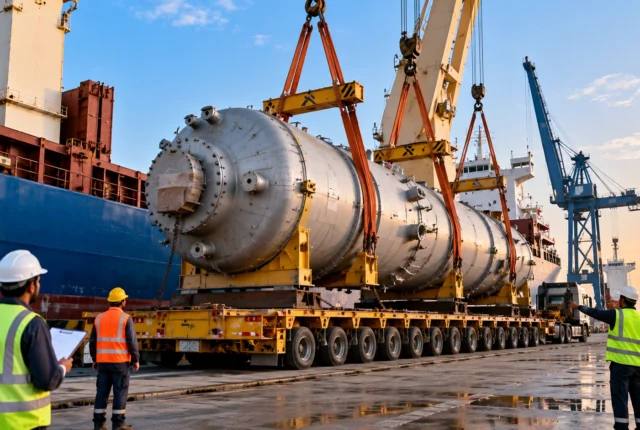
Project Cargo Logistics: How to Plan Heavy, OOG and Breakbulk Shipments from India
Learn how to plan project cargo logistics from India, including heavy and OOG ca

Landed Cost Calculation for Exporters: How to Quote International Buyers Accurately
Winning an export order is about more than offering the lowest price. Internatio

What Does a 3PL Provider Actually Do? A Complete Guide for Manufacturers
Quick Answer: A 3PL provider, or third-party logistics provider, manages selecte