
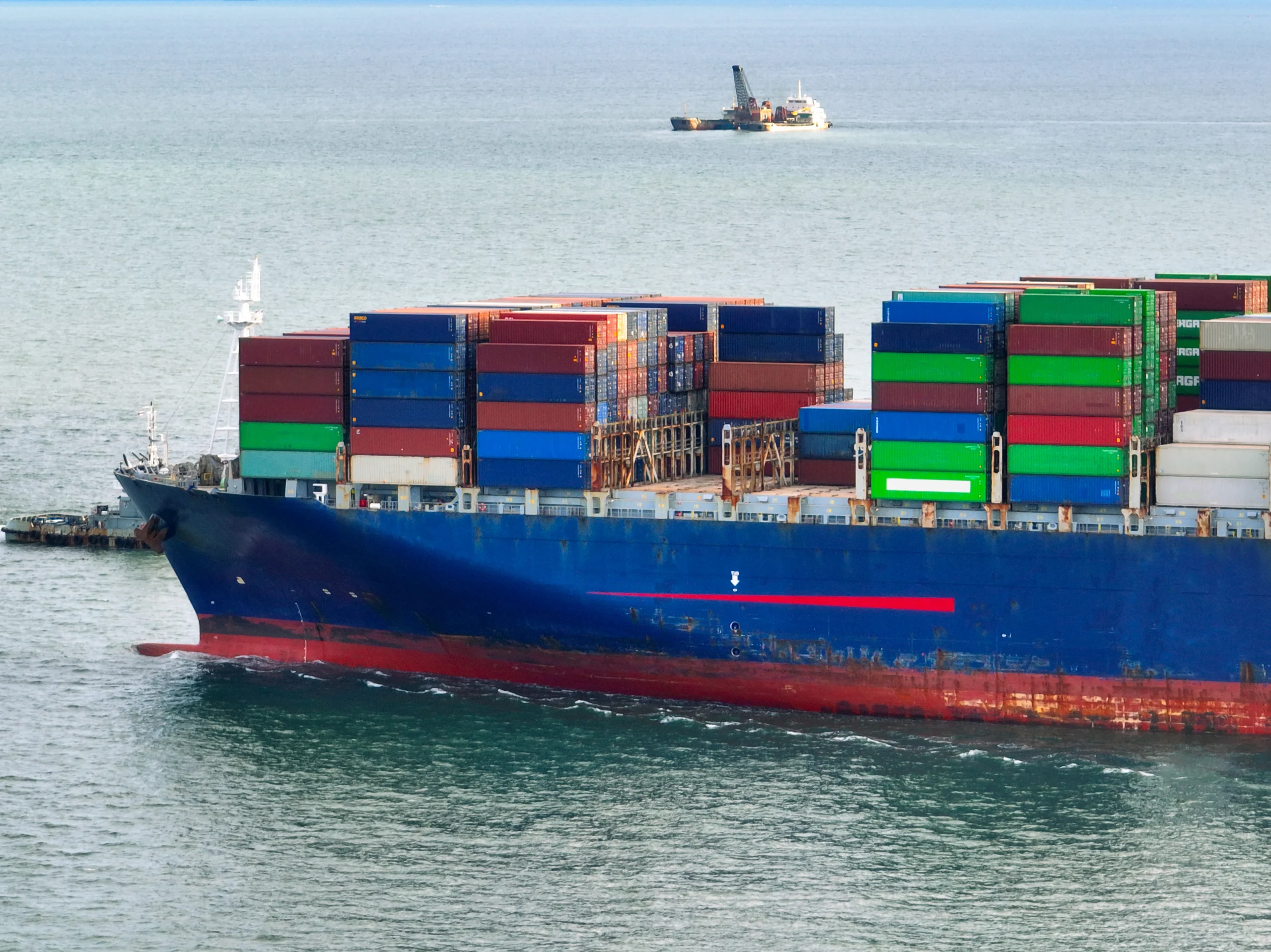
What is Freight All Kinds (FAK) in Shipping?
FAK is a shipping classification which enables the exporter to package several different cargo types into one shipment and charge for the consolidated rate. You can pool all the goods together to receive lower per-unit freight charges rather than paying individual rates for each type of goods.
How FAK Works:
Historically, each commodity has an individual freight rate that is determined by its classification, hazard and handling characteristics. A textile box, an auto parts crate, and an electronics box would all be at different rates. Under FAK, the freight forwarder lends a single container to multiple shippers and takes advantage of these economies of scale by passing the savings to the shippers.
Why FAK Matters for Indian Exporters:
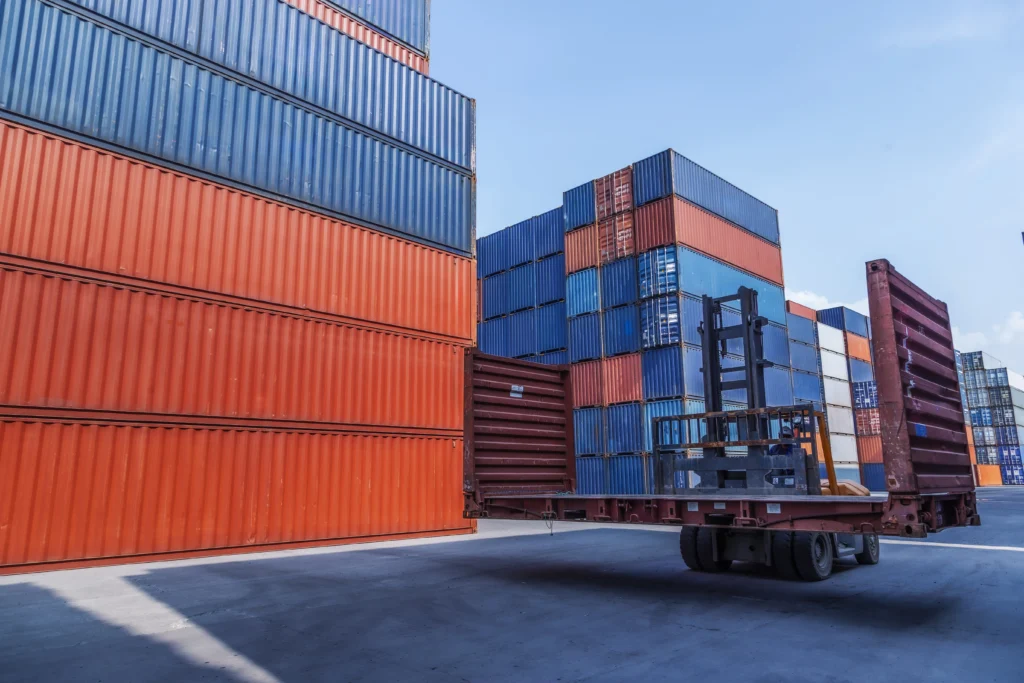
The fact that India’s exports are most impacted by FAK signifies its importance.
India exports a wide range of products like pharmaceuticals, engineering goods, textiles and handicrafts. Shipping these goods separately can very much increase the logistics costs. FAK (Freight All Kinds) Cargo is a mix of different cargo types in one container. This allows for better efficiency and lower shipping costs.
In real scenarios, a small export business may charge a cost of ₹50,000 per CBM for individual items and the prices are generally negotiated through the trade route. The cost of consolidation through a forwarder such as FAK Cargo would be ₹30,000-35,000 per CBM, which is a 30-40% saving.
FAK vs General Cargo – What’s the Difference?
| Factor | FAK | General Cargo |
| Commodity mix | Mixed (textiles, auto parts, electronics) | Single commodity type |
| Rate structure | Unified lower rate | Individual commodity rates |
| Consolidation | Multiple shippers combined | Single shipper |
| Flexibility | High (accepts different items) | The blood test is used to diagnose limited to specific type. |
| Cost | Lower per unit | Higher per unit |
| Booking timeline | Consolidation (flexible) | Faster (book immediately) |
When Should You Use FAK?
FAK (Freight All Kinds) shipping is ideal when you have multiple small shipments of different products that can be consolidated into a single container. It works particularly well for standard containerised goods such as textiles, auto parts, handicrafts, electronics, and FMCG products, helping businesses optimise container space and reduce overall freight costs.
If your cargo does not include dangerous goods (DG) and cost savings are a higher priority than delivery speed, FAK can be an efficient solution. However, since consolidation can add 5–10 days to the transit timeline, businesses with urgent or time-sensitive shipments may find small parcel or express shipping to be a more suitable alternative.
There are some situations where FAK should not be used:
PLEASE NOTE: Time sensitive shipments, hazardous goods, heavy breakbulk or project cargo, and extremely high value cargo (which require dedicated container space) will require additional specialized equipment.
FAK Cargo Examples – What’s Eligible?
Eligible for FAK:
Textiles and apparel
Spare parts and auto parts
This is where handicrafts and artisan items come in handy.
Electronic and consumer goods
Packaged products and FMCG
Machinery parts (non-hazardous)
Plastic products
Items made of ceramics and glass.
NOT eligible for FAK:
Chemicals (must have ISO tanks)
Pharmaceuticals (Temperature Controlled, DG classified)
Liquid or gas that can be set on fire.
Explosives
Radioactive materials
Cargo that is too large and heavy for standard shipping methods and containers, and requires a special conveyance.
How FAK Pricing Works:
The price of FAK is usually $/CBM or ₹/CBM, per cubic meter. They vary by:
The trade lane India-Southeast Asia, India-Europe and India-USA.
The two ports Mumbai and Singapore and Mundra and Dubai are being compared.
The amount of consolidation level (fullness of the container)
Demand, including seasonal demand and market conditions such as fuel surcharges and port congestion.
Real FAK pricing (approximate, May 2026):
Freight rates from India vary by destination. Shipments heading to Vietnam are priced between $35–45 per CBM, while the UAE route comes in slightly lower at $25–35 per CBM. Europe commands a significantly higher rate, ranging from $120–150 per CBM.
Is FAK Right for Your Business?
FAK (Freight All Kinds) shipping can be a smart and cost-effective solution for many exporters and importers. To determine whether it’s the right fit for your business, consider the following questions:
- Do you regularly ship multiple product types?
- Are your shipments typically less than 10 CBM?
- Can you accommodate an additional 5–10 days for cargo consolidation?
- Are your goods non-hazardous and suitable for standard containerized transport?
- Is reducing shipping costs a key priority for your business?
If you answered “Yes” to four or more of these questions, FAK consolidation is likely a strong fit, helping you optimize freight costs while maintaining efficient international shipping operations.
The FAK Advantage with Digital Integration:
With real-time tracking dashboards, modern logistics companies can give you a clear idea of when your consolidated shipment will leave, assuring transparency along the way. You will be able to track your goods together with other goods within the container, minimising uncertainty.
Key Takeaways:
FAK consolidates freight bills at 30-40% savings for Indian exporters, who have a diverse set of products to ship, and are ideal for non-hazardous products on flexible timelines, with real-time visibility on when you’ll know where your cargo ships are.
Looking to make your export expenses more efficient? Contact the consolidation specialists of FAK Cargo and discuss your shipment with them to determine the best FAK solution for you.
Follow us for real-world logistics updates, industry insights, and smarter shipping solutions Instagram, LinkedIn and Facebook.
FAQ’s
Q1. What does Freight All Kinds (FAK) mean in shipping?
A. Freight All Kinds (FAK) refers to different types of cargo grouped together under a single shipping rate. It simplifies pricing and logistics management for mixed shipments.
Q2. How is FAK different from general cargo?
A. FAK combines multiple cargo categories into one freight classification, while general cargo is usually classified separately by type. FAK offers simpler and more flexible pricing.
Q3. When is FAK used in logistics?
A. FAK is commonly used when shipping mixed goods in one container or shipment. It helps reduce complexity in freight classification and billing.
Q4. What are examples of FAK cargo?
A. Examples of FAK cargo include packaged consumer goods, electronics, textiles, machinery parts, and retail products shipped together in one container.
Q5. Is FAK suitable for all types of goods?
A. FAK is suitable for many non-hazardous and standard cargo types, but it may not apply to dangerous goods, oversized cargo, or highly regulated products.
Related posts

Why Sales and Commercial Teams Must Understand Logistics Before Promising Timelines
In 2026, delivery promises matter more than ever. India’s total exports for Fe

Measuring Sustainability in Logistics: FAK Worldwide’s Key Performance Indicators
Sustainability in Logistics: A Necessity, Not a Choice Sustainability is no long

Digital Twins in Logistics: The Future of Predictive Supply Chain Management
The logistics industry is on the cusp of a digital revolution, and digital twin