
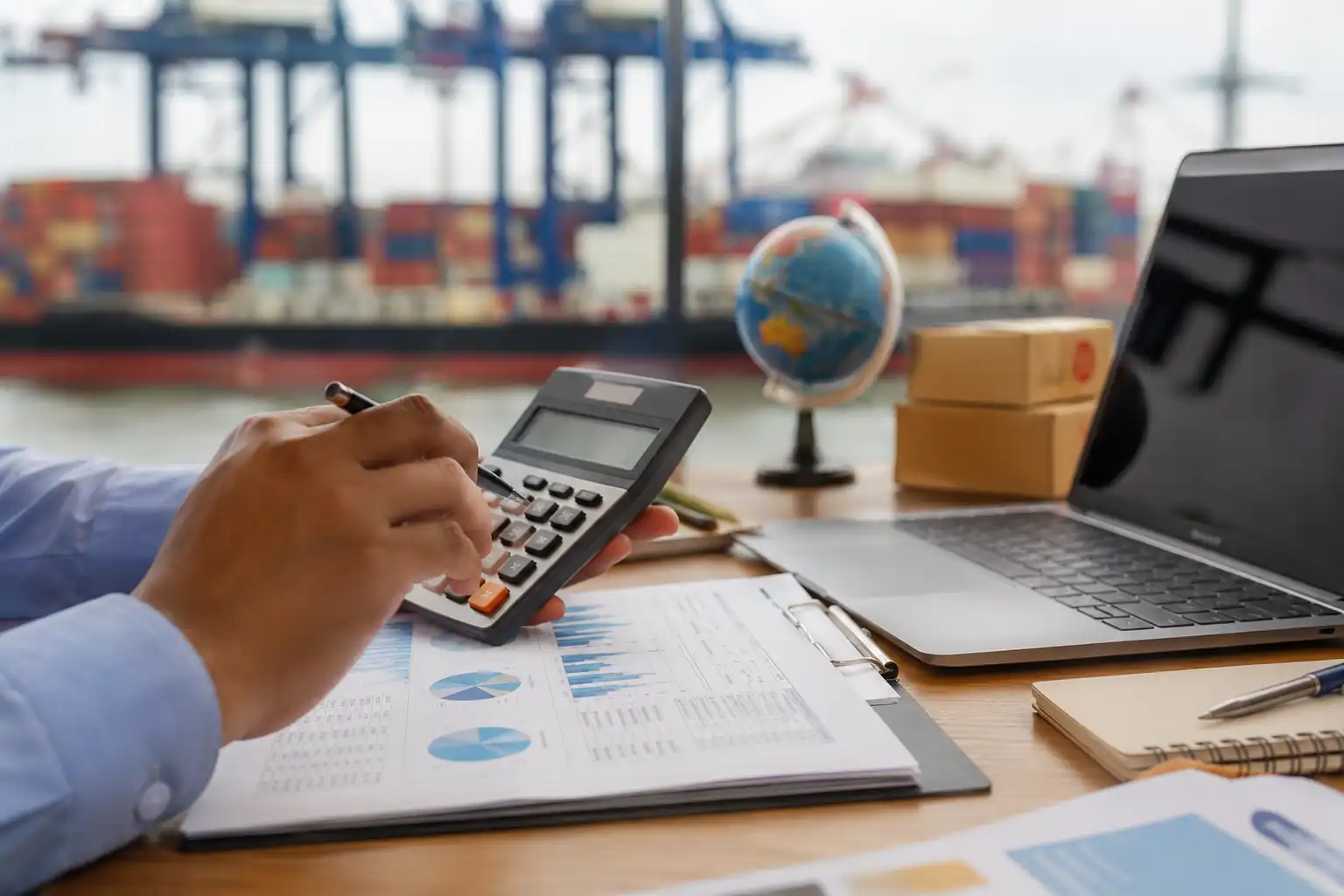
Landed Cost Calculation for Exporters: How to Quote International Buyers Accurately
Winning an export order is about more than offering the lowest price. International buyers evaluate suppliers based on reliability, transparency, and the total cost of doing business. If your quotation overlooks shipping, documentation, insurance, or destination charges, your margins can disappear quickly.
This is why Landed Cost Calculation for Exporters is one of the most important steps before sending a quotation to an overseas customer.
An accurate landed cost helps exporters price products competitively, protect profitability, and build long-term buyer relationships. It also reduces the likelihood of disputes arising from unexpected logistics costs.
Quick Answer
Landed Cost Calculation for Exporters involves determining the total cost of delivering goods to the agreed destination under the selected Incoterm. Depending on the agreed shipping terms, this may include the product cost, inland transportation, freight, insurance, customs-related charges, documentation fees, and other logistics expenses. Calculating these costs before quoting ensures competitive pricing and healthier profit margins.
What Is Landed Cost?
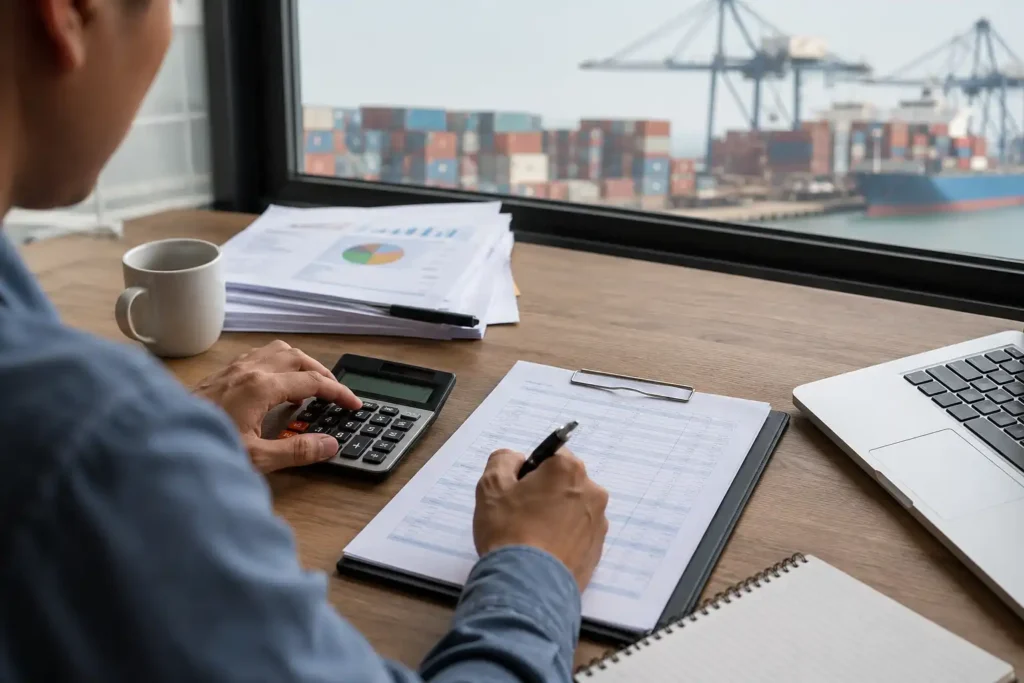
Landed cost is the complete cost of moving goods from the manufacturer’s facility to the agreed delivery point under the terms negotiated with the international buyer.
Many new exporters mistakenly calculate only the manufacturing cost and add a profit margin. However, international trade involves multiple logistics and compliance costs that must also be considered.
A proper landed cost calculation provides a realistic picture of what the shipment will actually cost before it reaches the buyer.
Why Accurate Landed Cost Calculation Matters
A well-prepared quotation offers several advantages.
It helps exporters:
- Protect profit margins
- Quote competitive international prices
- Compare different shipping options
- Select suitable Incoterms
- Improve buyer confidence
- Reduce pricing disputes
- Make informed logistics decisions
Businesses that consistently calculate landed costs accurately are generally better positioned to manage changing freight rates and global supply chain fluctuations.
Understand Your Incoterms Before Calculating Costs
Before calculating any export quotation, identify the agreed Incoterm.
The Incoterm determines which costs are borne by the exporter and which become the buyer’s responsibility.
For example:
EXW (Ex Works)
The buyer arranges almost all transportation after collecting the goods from the seller’s premises.
FOB (Free on Board)
The exporter is responsible until the cargo is loaded onto the vessel at the origin port.
CFR (Cost and Freight)
The exporter pays ocean freight to the destination port, while the buyer usually arranges insurance.
CIF (Cost, Insurance and Freight)
The exporter covers both ocean freight and marine insurance to the destination port.
DDP (Delivered Duty Paid)
The exporter assumes responsibility for almost all transportation and import-related costs until delivery at the buyer’s location.
The chosen Incoterm directly affects the landed cost calculation and should always be confirmed before preparing a quotation.
Components of Landed Cost Calculation
A comprehensive landed cost calculation includes multiple cost elements.
1. Product Cost
This includes:
- Raw materials
- Manufacturing expenses
- Packaging
- Labour
- Factory overheads
This forms the foundation of your export pricing.
2. Inland Transportation
Goods must move from the factory to the port, Inland Container Depot (ICD), Container Freight Station (CFS), or airport.
Costs may include:
- Truck transportation
- Fuel surcharge
- Toll charges
- Handling charges
3. Export Documentation
Export documentation involves various administrative expenses, including:
- Commercial invoice preparation
- Packing list
- Shipping instructions
- Certificate of Origin (if applicable)
- Export compliance documentation
Although individually small, these costs contribute to the overall quotation.
4. Freight Charges
Freight is often one of the largest logistics expenses.
Depending on the shipment, this may include:
- Ocean freight
- Air freight
- LCL charges
- FCL charges
- Origin terminal handling
- Container movement
Freight rates can change frequently based on market demand, fuel costs, capacity, and seasonal factors, making it essential to obtain updated quotations before pricing exports.
5. Cargo Insurance
Marine cargo insurance protects shipments against transit risks.
For shipments under CIF and certain other Incoterms, insurance forms part of the exporter’s quotation.
Even when optional, many exporters choose insurance to minimise financial risk.
6. Customs and Regulatory Charges
Depending on the agreed shipping terms, exporters may incur:
- Customs processing fees
- Export handling charges
- Regulatory inspection fees
- Port documentation costs
Destination import duties are generally the buyer’s responsibility unless the shipment is quoted under DDP or similar terms.
7. Bank and Currency Costs
International trade often involves:
- Bank transfer charges
- Letter of Credit processing fees
- Currency conversion costs
- Foreign exchange fluctuations
Ignoring these expenses can reduce actual profit margins.
8. Logistics Contingencies
Unexpected expenses may arise due to:
- Port congestion
- Schedule changes
- Container availability
- Documentation corrections
- Temporary storage
- Demurrage or detention in exceptional cases
Including a reasonable contingency helps protect quotations from unforeseen operational costs.
A Simple Landed Cost Formula
While every shipment is different, exporters can use the following approach:
Landed Cost = Product Cost + Inland Transport + Export Documentation + Freight + Insurance + Handling Charges + Banking Costs + Other Applicable Logistics Expenses
The exact formula varies depending on the agreed Incoterm and shipment requirements.
Common Mistakes Exporters Make
Many pricing errors occur because important costs are overlooked.
Some common mistakes include:
- Using outdated freight rates
- Ignoring Incoterm responsibilities
- Excluding documentation charges
- Forgetting insurance costs
- Not accounting for exchange rate fluctuations
- Underestimating inland transportation expenses
- Ignoring destination handling requirements when applicable
Even small omissions can significantly affect overall profitability.
How Freight Forwarding Helps Improve Cost Accuracy
Calculating landed cost becomes much easier when exporters work with experienced logistics professionals.
Reliable Freight Forwarding Solutions provide support with:
- Updated freight rates
- Route planning
- Documentation guidance
- Carrier selection
- Transit planning
- Shipment scheduling
- Cost optimisation
Having accurate logistics information before preparing a quotation allows exporters to price confidently.
Best Practices Before Sending an Export Quote
Before sharing any quotation with an international buyer:
- Confirm the correct Incoterm.
- Verify current freight rates.
- Review documentation requirements.
- Estimate inland transportation accurately.
- Include cargo insurance where applicable.
- Consider possible currency fluctuations.
- Check shipment dimensions and weight.
- Review the quotation with your logistics partner.
A structured review reduces pricing errors and improves customer confidence.
How FAK Cargo Supports Exporters
Preparing accurate export quotations requires both commercial understanding and logistics expertise.
FAK Cargo offers reliable Freight Forwarding service solutions that help exporters estimate transportation costs, plan shipments, coordinate documentation, and optimise cargo movement. With experience across international trade lanes, the team assists businesses in selecting suitable shipping methods while providing practical logistics support throughout the export process.
Whether handling full container loads, specialised cargo, or multimodal transportation, FAK Cargo works closely with exporters to simplify logistics planning and improve cost visibility before shipments move.
Conclusion
Accurate Landed Cost Calculation for Exporters is essential for profitable international trade. A quotation should reflect not only the product cost but also every logistics expense that falls under the agreed Incoterm.
By considering transportation, documentation, insurance, banking charges, and other applicable costs, exporters can prepare competitive quotations without compromising margins.
Partnering with an experienced logistics provider further improves pricing accuracy, reduces operational uncertainty, and helps businesses build stronger relationships with international buyers in an increasingly competitive global market.
Looking for a Reliable Logistics Partner for Your Global Shipments?
At FAK Cargo, we provide customised logistics solutions backed by industry expertise, reliable global networks, and a customer-first approach. From freight forwarding and multimodal transportation to export support and specialised cargo handling, our team works closely with businesses to ensure shipments move safely, efficiently, and on schedule.
Get in touch with FAK Cargo today to discuss your logistics requirements and discover solutions tailored to your business goals.
Frequently Asked Questions
Q1. What is landed cost calculation for exporters?
A. It is the process of calculating the total cost of delivering goods under the agreed Incoterm, including product cost and applicable logistics expenses before sending an export quotation.
Q2. Why is landed cost important before quoting international buyers?
A. It helps exporters price products accurately, protect profit margins, and avoid unexpected logistics costs.
Q3. Does the chosen Incoterm affect landed cost?
A. Yes. The selected Incoterm determines which transportation and logistics costs are the exporter’s responsibility and which are borne by the buyer.
Q4. What costs should exporters include in landed cost calculations?
A. Typical costs include manufacturing, inland transportation, freight, insurance, documentation, handling charges, banking fees, and other logistics expenses applicable to the shipment.
Q5. How can a Freight Forwarding service help with landed cost calculations?
A. A professional freight forwarder provides updated freight rates, logistics planning, documentation support, and shipping expertise, helping exporters prepare accurate and competitive quotations.
Related posts
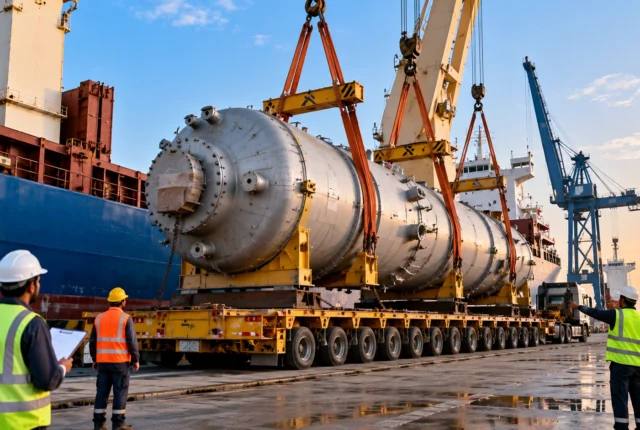
Project Cargo Logistics: How to Plan Heavy, OOG and Breakbulk Shipments from India
Learn how to plan project cargo logistics from India, including heavy and OOG ca
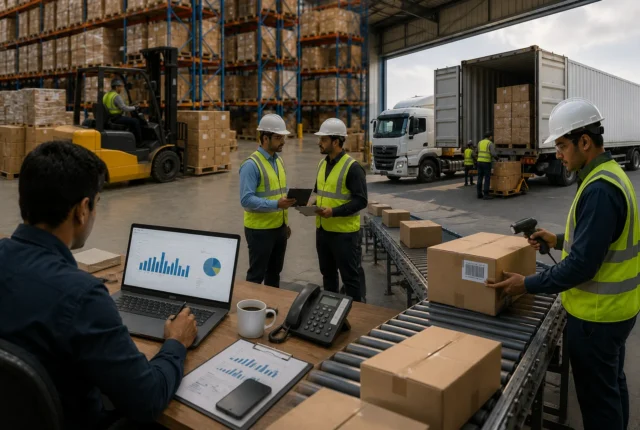
What Does a 3PL Provider Actually Do? A Complete Guide for Manufacturers
Quick Answer: A 3PL provider, or third-party logistics provider, manages selecte

AI in Export Logistics in 2026: Practical Use Cases for Indian Exporters
Export logistics has always depended on accurate planning, timely documentation,