
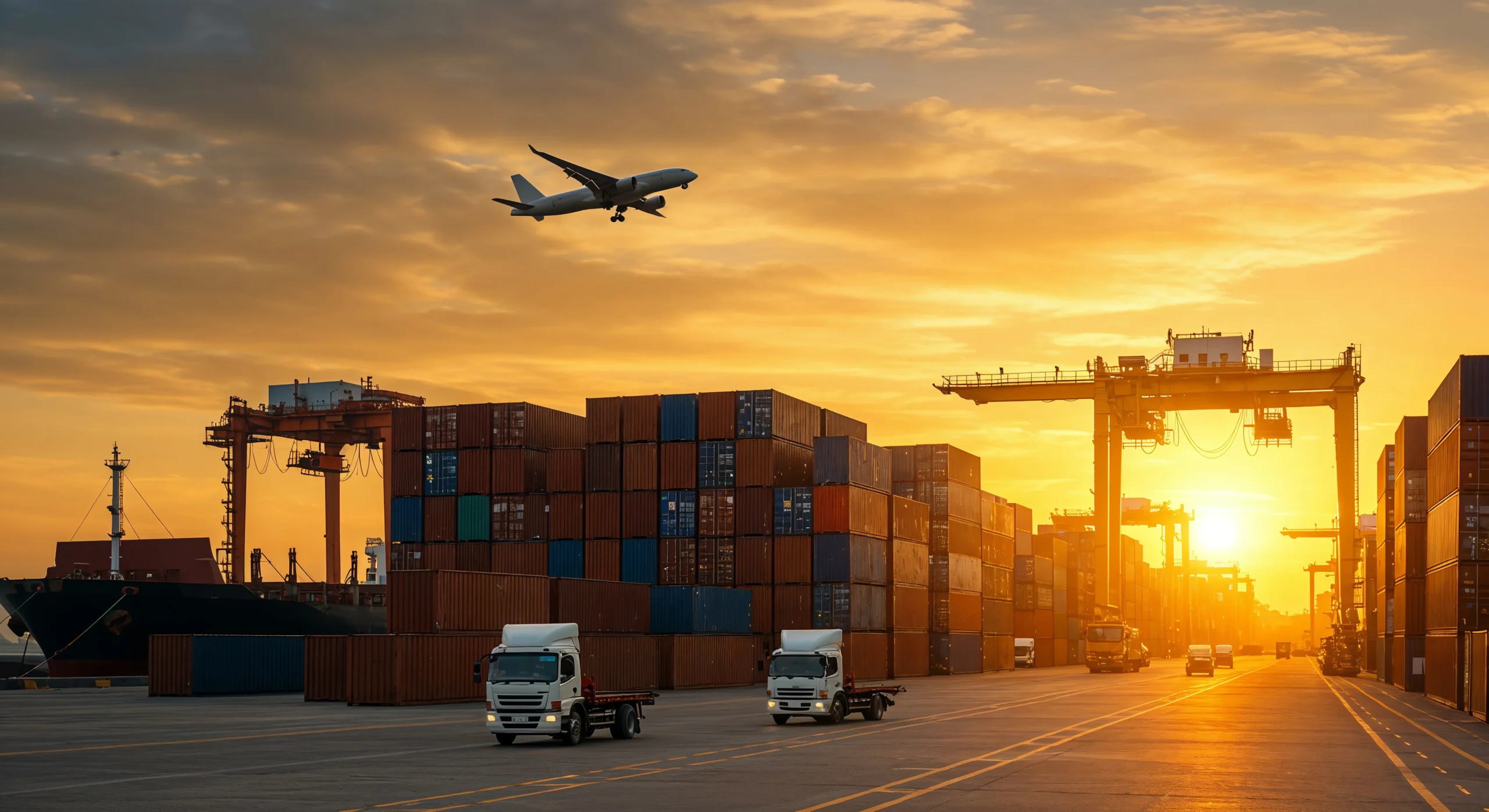
International Shipping Process: Step-by-Step Guide for Exporters
International shipping involves multiple stages, from freight booking and documentation to customs clearance and final delivery. Understanding each step helps exporters avoid delays, reduce logistics costs, and ensure smooth international trade operations.
Whether you’re shipping textiles, engineering goods, pharmaceuticals, handicrafts, or FMCG products, this guide walks you through the complete international shipping process from origin to destination.
Step 1: Freight Booking & Quotation
The process begins when you share your shipment details with a freight forwarder such as FAK Cargo. Key information typically includes:
- Cargo weight, volume, and dimensions
- Origin and destination
- Commodity type
- Preferred shipping date
- Preferred transport mode (air, sea, or multimodal)
Based on these details, the freight forwarder provides a quotation that generally includes:
- Freight charges
- Fuel and security surcharges
- Handling fees
- Port or airport charges
- Estimated transit time
- Available shipping schedules
Most freight forwarders respond within a few hours, while bookings are typically confirmed within 24 hours.
Step 2: Documentation Preparation
Accurate documentation is essential for successful international shipping. Even minor errors can result in customs delays, additional costs, or shipment holds.
Common export documents include:
- Commercial Invoice
- Packing List
- Certificate of Origin
- Quality or Inspection Certificates
- Phytosanitary Certificates (where applicable)
- Bill of Lading (BL) or Air Waybill (AWB)
- Shipping Bill
- Insurance Certificate (if insured)
Documentation preparation generally takes between 1–5 business days, depending on shipment complexity and regulatory requirements.
Common Documentation Mistakes
- Incorrect consignee details
- Mismatched cargo descriptions
- Missing certificates
- Incorrect HS Code classification
- Incomplete customs declarations
Carefully reviewing documents before submission can prevent costly delays later in the shipping process.
Step 3: Cargo Pickup & Warehousing
Once documentation is ready, the cargo is collected from your facility or delivered to the freight forwarder’s warehouse.
During this stage, the cargo undergoes:
- Inspection and verification
- Weight and dimension checks
- Packaging validation
- Container loading or consolidation
- Labelling and shipping mark application
For consolidated shipments such as FAK (Freight All Kinds), cargo may be grouped with other compatible shipments to optimize container utilization and reduce freight costs.
Typical timeline: 1–3 days.
Step 4: Port or Airport Handling
After warehouse processing, the shipment is transported to the designated port or airport.
Activities at this stage include:
- Cargo receiving
- Container registration
- Security screening
- Pre-shipment customs processing
- Vessel or flight allocation
Port congestion, seasonal demand, weather disruptions, and carrier schedule changes can impact timelines.
Typical timeline: 2–5 days, depending on location and operational conditions.
Step 5: International Transit
Once loaded, the cargo begins its international journey.
Sea Freight Transit
Sea freight is the most cost-effective option for large-volume shipments.
Typical transit times:
- India to Southeast Asia: 7–14 days
- India to Middle East: 10–18 days
- India to Europe: 25–35 days
- India to North America: 30–45 days
Air Freight Transit
Air freight is ideal for urgent, high-value, or time-sensitive cargo.
Typical transit times:
- International air freight: 3–7 days
While air freight offers faster delivery, it generally involves higher transportation costs compared to sea freight.
Most modern freight forwarders provide real-time shipment tracking, allowing exporters to monitor cargo movement, estimated arrival dates, and transit milestones.
Step 6: Destination Customs Clearance
Upon arrival, shipments must clear customs before they can be released for delivery.
This process typically involves:
- Customs declaration filing
- Documentation verification
- Duty and tax assessment
- Compliance checks
- Physical inspections when required
Common Causes of Customs Delays
- Incomplete or inaccurate documentation
- Incorrect HS code classification
- Missing permits or certificates
- Customs inspections
- Port congestion
Working with an experienced customs broker can significantly reduce clearance issues and accelerate cargo release.
Typical timeline: 2–10 days, depending on destination regulations and cargo type.
Step 7: Last-Mile Delivery
Following customs clearance, the cargo moves to the final destination through local transportation networks.
Delivery methods may include:
- Road transportation
- Express courier services
- Warehouse distribution
- Retail fulfillment networks
Typical timeline: 1–5 days.
Step 8: Delivery Confirmation & Proof of Delivery
Once the shipment reaches the consignee, a Proof of Delivery (POD) is issued to confirm successful receipt.
The POD serves as official evidence that:
- Goods were delivered
- Delivery obligations were fulfilled
- Shipment was received in acceptable condition
This marks the completion of the international shipping process.
Understanding Incoterms
Before shipping internationally, exporters should establish clear Incoterms such as FOB, CIF, EXW, or DDP.
Incoterms define:
- Responsibility for transportation costs
- Insurance obligations
- Customs clearance responsibilities
- Risk transfer points
Clearly defining Incoterms helps prevent disputes and ensures all parties understand their responsibilities throughout the shipment lifecycle.
Why Cargo Insurance Matters
International shipments may face risks such as delays, damage, theft, weather disruptions, or handling incidents.
Cargo insurance provides financial protection and helps businesses recover losses more efficiently when unforeseen events occur.
For valuable or time-sensitive cargo, insurance should be considered an essential part of export risk management.
Estimated End-to-End Shipping Timelines
- Air Freight: Approximately 5–12 days
- Sea Freight (Regional): Approximately 15–25 days
- Sea Freight (Long-Haul Routes): Approximately 30–50 days
Actual timelines may vary based on destination, customs requirements, weather conditions, and carrier schedules.
How Exporters Can Avoid Delays
To improve shipping efficiency:
- Verify all documentation before submission
- Use accurate HS code classifications
- Plan for seasonal congestion periods
- Maintain communication with customs brokers
- Track shipments proactively
- Work with experienced freight forwarding partners
Why Multimodal Logistics Matters
Many exporters now combine road, rail, sea, and air transportation to optimize costs and transit times.
For example:
- Air freight for urgent shipments
- Sea freight for bulk cargo
- Rail and road transport for domestic movement
A multimodal logistics strategy can improve flexibility, enhance reliability, and reduce overall supply chain costs.
Key Takeaway
International shipping becomes significantly more predictable when each stage is planned properly. From documentation and customs clearance to cargo tracking and final delivery, every step plays a critical role in ensuring successful exports.
Partnering with an experienced freight forwarder helps minimize delays, improve compliance, and provide visibility throughout the shipping journey.
Looking for a reliable international shipping partner? FAK Cargo provides end-to-end freight forwarding, customs support, cargo consolidation, shipment tracking, and global logistics solutions to help businesses move goods safely and efficiently across international markets.
Contact our team today and simplify your export logistics with confidence.
Related posts

Why Exporters Should Track Container Turnaround Time – Not Just Transit Time
The first thing that exporters consider when analyzing the logistics performance
Why End-to-End Visibility Still Breaks Down After the Port Gate
One of the promises that have been overused in the field of logistics is called
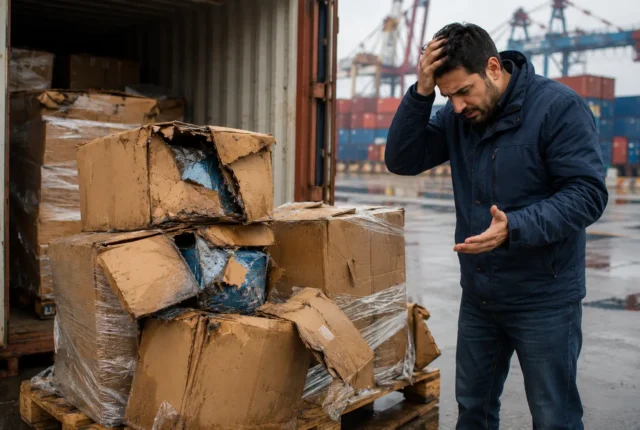
Cargo Damaged During Shipment? Here’s What to Do Next
Damage to goods can happen at any point during their journey, and can result in