
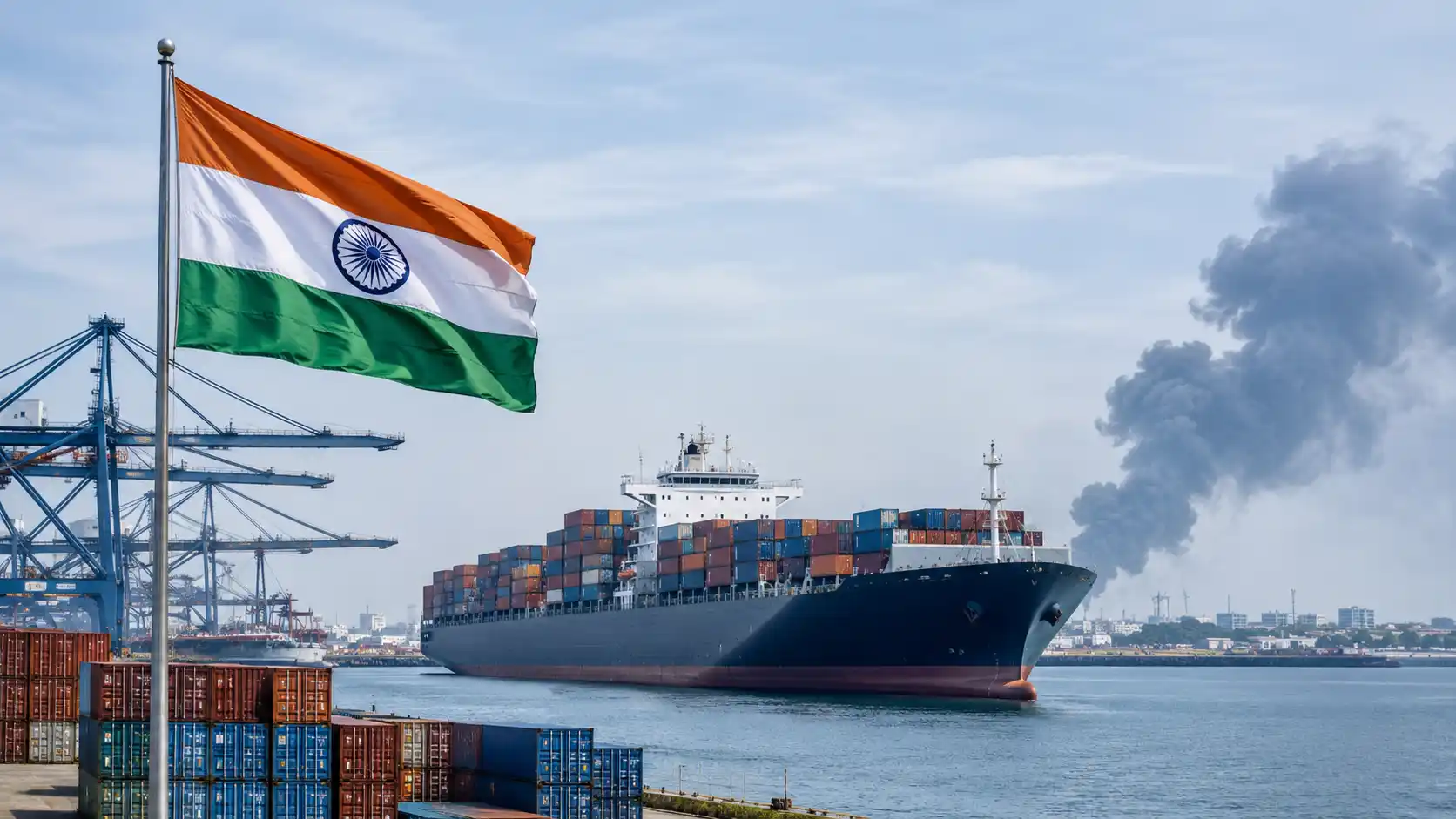
RELIEF Scheme 2026–27: How Indian Exporters Can Protect Shipments Against West Asia Risks
Managing Export Risk Amid West Asia’s Shipping Disruptions
For Indian exporters trading with the Gulf and wider West Asia, geopolitical uncertainty can quickly become a logistics and financial challenge. Vessel diversions, longer transit routes, port congestion, additional war-risk premiums and emergency conflict surcharges can increase shipment costs and disrupt delivery commitments.
To address these challenges, the Government of India introduced the RELIEF scheme under the Export Promotion Mission. The initiative provides targeted support through the Export Credit Guarantee Corporation of India (ECGC), helping eligible exporters manage certain war-related and political risks.
The latest development is particularly important for businesses planning shipments in 2026–27: the Government has extended the eligibility timeline under Component II until 31 March 2027.
Quick Answer: What Is the RELIEF Scheme for Exporters?
The RELIEF scheme (Resilience & Logistics Intervention for Export Facilitation) is a Government of India initiative designed to support exporters affected by West Asia-related maritime disruptions.
It provides three forms of assistance:
- Enhanced ECGC risk coverage for eligible exporters who already held insurance.
- Supported ECGC cover for eligible upcoming exports under Component II, offering 95% risk coverage.
- Reimbursement of certain extraordinary freight and insurance costs for eligible non-ECGC-insured MSME exporters under Component III.
The 26 October 2026 government announcement extended Component II until 31 March 2027. Exporters must still satisfy the applicable policy, shipment, destination and documentation requirements.
Key Takeaways
- Component II of RELIEF has been extended until 31 March 2027.
- Eligible fresh ECGC Standalone and Whole Turnover Policies obtained on or after 16 March 2026 can qualify under Component II.
- The scheme covers specified FCL, LCL and reefer cargo categories, excluding energy shipments under Component II.
- Component III provides eligible non-ECGC MSME exporters reimbursement of up to 50% of specified additional freight and insurance costs, subject to a ₹50 lakh ceiling and its original shipment eligibility window.
- RELIEF does not replace marine cargo insurance for physical cargo damage.
Why Was the RELIEF Scheme Introduced?
West Asia is an important trading region for Indian businesses. Disruptions around the Gulf and adjoining maritime corridors can affect shipping schedules, freight rates and insurance costs.
For exporters, the consequences can include:
- Additional War Risk Premiums (AWRP).
- War Risk Surcharges (WRS) and Emergency Conflict Surcharges (ECS).
- Longer sailing routes and revised vessel schedules.
- Increased freight and insurance expenditure.
- Delayed deliveries and pressure on working capital.
- Difficulty maintaining agreed export prices and delivery commitments.
The RELIEF scheme was introduced on 19 March 2026 to provide targeted support against these extraordinary trade-related challenges. Its total government outlay is ₹497 crore, with ECGC acting as the nodal and implementing agency.
What Are the Three Components of the RELIEF Scheme?
The scheme has three components designed for different exporter situations.
| Component | Eligible exporter category | Main support |
| Component I | Existing ECGC policyholders | Enhanced coverage of up to 100% for eligible war and political risks during the specified historical shipment window |
| Component II | Exporters obtaining eligible fresh ECGC cover | 95% risk coverage for eligible shipments, with the timeline extended until 31 March 2027 |
| Component III | Non-ECGC-insured MSME exporters | Up to 50% reimbursement of specified extraordinary freight and insurance costs, subject to a ₹50 lakh ceiling |
Component I: Support for Existing ECGC Policyholders
Component I was designed for exporters who already held ECGC credit insurance and suffered eligible losses due to war-related and associated political risks.
Its original shipment eligibility window covered onboard Bill of Lading or Airway Bill dates from 14 February to 15 March 2026. The enhanced cover was up to 100% of eligible losses, subject to verification and scheme conditions.
This component addresses shipments already exposed to the initial disruption period. It should not be treated as an open-ended benefit for new shipments.
Component II: ECGC Cover for Upcoming Exports
Component II is the most relevant development for exporters planning shipments in 2026–27.
The Government’s 26 October 2026 announcement extended this component until 31 March 2027. It offers 95% risk coverage to encourage exporters to obtain ECGC insurance for upcoming shipments to specified destinations.
Key provisions include:
- Fresh ECGC Standalone or Whole Turnover Policies obtained on or after 16 March 2026.
- Enhanced coverage for eligible war-related and political risks.
- Protection against premium increases beyond pre-disruption levels during the eligible period.
- Coverage for FCL, LCL and reefer containers, excluding energy shipments.
The extension does not mean every shipment automatically qualifies. Exporters should verify the applicable shipment-date conditions and policy requirements under Notification No. 37/2026-27 with ECGC before booking.
Component III: Freight and Insurance Reimbursement for MSMEs
Component III was designed for MSME exporters without ECGC insurance who incurred extraordinary freight and insurance costs during the initial disruption period.
Eligible reimbursement can cover up to 50% of specified additional costs, subject to an overall ceiling of ₹50 lakh per exporter or Importer Exporter Code (IEC).
Eligible costs include:
- War Risk Surcharge or Emergency Conflict Surcharge.
- Additional War Risk Premium.
- Additional conflict-related shipping charges.
- Additional cargo insurance premiums.
The original eligibility window covered sea shipments with onboard Bill of Lading dates from 14 February to 15 March 2026. The October 2026 extension announcement specifically concerns Component II, so exporters should not assume that Component III has also been extended.
Which Destinations and Cargo Types Are Covered?
The ECGC scheme documentation identifies the following eligible destinations and transshipment countries:
UAE, Saudi Arabia, Kuwait, Qatar, Oman, Bahrain, Iraq, Iran, Israel, Yemen, Egypt and Jordan.
The specified cargo categories include:
- Full Container Load (FCL)
- Less than Container Load (LCL)
- Reefer containers
Component II excludes energy shipments. Back-to-town and reimport cargo are also excluded from government support under the scheme components, subject to the distinction between scheme benefits and normal ECGC policy cover.
Exporters must confirm the destination, transit arrangement and commodity eligibility against the latest applicable notification and ECGC policy conditions.
How Can Exporters Apply for RELIEF Benefits?
ECGC policyholders can submit eligible Component I and II claims through the ECGC customer portal.
The general process is:
- Log in to the official ECGC customer portal.
- Access the designated RELIEF claim module.
- Select the applicable scheme component.
- Complete the prescribed claim documentation.
- Submit supporting policy and shipment records for verification.
For Component III, eligible non-policyholder MSME exporters need to register on the portal and complete the required exporter verification.
Supporting documents may include the MSME certificate, purchase order, invoice, shipping bill, onboard Bill of Lading, freight and insurance invoices, proof of payment and Bank Realisation Certificate for applicable FOB claims.
Always refer to the current ECGC checklist before submission.
Industry Insight: Insurance and Logistics Planning Must Work Together
From a freight-forwarding perspective, insurance eligibility is only one part of export risk management.
Consider an Indian exporter shipping engineering components to the UAE. A change in vessel routing may increase transit time and introduce additional surcharges. The exporter must assess the revised freight quotation, insurance requirements, delivery commitment and contractual responsibility for additional costs.
A scheme benefit may support eligible war or political risks, but it does not automatically resolve every operational or commercial loss.
At FAK Cargo, we recommend evaluating the complete shipment plan, including routing, documentation, cargo handling, insurance requirements and delivery timelines. This is especially important for businesses using sea freight services in India for shipments exposed to changing regional conditions.
What Should Exporters Avoid?
- Assuming ECGC cover and marine cargo insurance protect against identical risks.
- Treating RELIEF as automatic reimbursement of all additional freight charges.
- Assuming the Component II extension also extends Component III.
- Overlooking exclusions for energy, back-to-town or reimport cargo.
- Failing to retain invoices, Bills of Lading and surcharge documentation.
- Booking shipments without checking current carrier schedules and route conditions.
Importantly, ECGC’s RELIEF FAQ clarifies that physical cargo damage and risks ordinarily insured under marine insurance policies are not covered by the RELIEF intervention. Exporters should review their separate cargo insurance arrangements.
How FAK Cargo Can Support Export Planning
FAK Cargo provides freight forwarding, 3PL logistics, export packing, multimodal transportation and specialised DG and chemical cargo services. These capabilities can support exporters in coordinating shipment requirements, documentation and routing decisions.
For businesses trading with West Asia, a coordinated logistics plan can help identify operational risks before cargo is dispatched. Insurance eligibility and claims should be confirmed directly with ECGC and the relevant insurer.
Key Takeaway: Combine Scheme Awareness With Shipment-Level Planning
The RELIEF scheme for exporters offers targeted support against exceptional West Asia-related trade risks, with Component II now extended until 31 March 2027. However, the benefit depends on the applicable policy, shipment, destination and cargo conditions.
Exporters should review their ECGC cover, maintain accurate shipment records and evaluate freight and insurance arrangements before committing to a route.
If your business is planning shipments to West Asia, FAK Cargo can help assess the logistics requirements and coordinate suitable freight-forwarding arrangements.
Frequently Asked Questions
Q1. What is the RELIEF scheme for exporters in India?
A. RELIEF is a Government of India initiative under the Export Promotion Mission that supports eligible exporters facing war-related risks, higher insurance costs and extraordinary logistics expenses linked to West Asia disruptions.
Q2. Has the RELIEF scheme been extended for 2026–27?
A. Yes. The Government extended Component II until 31 March 2027 through Notification No. 37/2026-27 dated 30 September 2026. The extension does not automatically apply to every component.
Q3. What is the maximum coverage under RELIEF Component II?
A. Component II provides 95% risk coverage for eligible war-related and political risks under qualifying ECGC policies, subject to scheme and policy conditions.
Q4. Does RELIEF cover physical cargo damage?
A. No. Physical cargo damage and risks covered under standard marine cargo insurance policies are outside the RELIEF intervention. Exporters should maintain appropriate marine cargo insurance separately.
Q5. Can MSME exporters without ECGC insurance apply?
A. Component III was designed for eligible non-ECGC-insured MSME exporters, offering reimbursement of up to 50% of specified additional freight and insurance costs, subject to a ₹50 lakh ceiling and the original shipment eligibility period.
Related Reading: How West Asia Disruptions Hit Shipping Costs
Related posts

How Poor Packaging Decisions Cause Claims, Rejections, and Transit Losses
In 2026, exporters have less room for avoidable mistakes. India’s total export

How to Select a Logistics Partner for Regular Export Shipments
Not sure which logistics provider to trust? Learn the key factors that affect ex

From Reactive to Predictive: How Exporters Can Use Historical Data to Plan Shipments Better
Export logistics has been reactive to an extent over the years. Delays are made,

Leave a Reply